As a seasoned supplier of carbon steel coils, I’ve had the privilege of working closely with various industries, witnessing firsthand the diverse applications and requirements for these essential materials. One of the most frequently asked questions I encounter is about the thickness range of carbon steel coils. In this blog post, I’ll delve into this topic, providing a comprehensive overview of the typical thickness ranges, factors influencing them, and how they impact different applications. Carbon Steel Coil
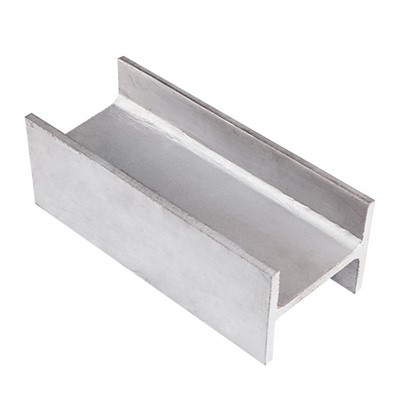
Understanding Carbon Steel Coils
Before we dive into the thickness range, let’s briefly understand what carbon steel coils are. Carbon steel is an alloy of iron and carbon, with carbon content typically ranging from 0.05% to 2.0%. The addition of carbon enhances the strength and hardness of the steel, making it suitable for a wide range of applications. Carbon steel coils are produced by rolling hot or cold steel into thin, continuous strips, which are then wound into coils for easy storage and transportation.
Typical Thickness Ranges
The thickness of carbon steel coils can vary significantly depending on the specific application and manufacturing process. Generally, carbon steel coils are available in a wide range of thicknesses, from as thin as 0.1 mm to as thick as 25 mm or more. Here’s a breakdown of the common thickness ranges and their typical applications:
Thin Gauge Carbon Steel Coils (0.1 – 3 mm)
Thin gauge carbon steel coils are commonly used in applications where lightweight and flexibility are required. These coils are often used in the automotive industry for manufacturing body panels, chassis components, and exhaust systems. They are also used in the electronics industry for making electrical enclosures, brackets, and connectors. In addition, thin gauge carbon steel coils are used in the packaging industry for producing cans, boxes, and other containers.
Medium Gauge Carbon Steel Coils (3 – 6 mm)
Medium gauge carbon steel coils are suitable for applications that require a balance of strength and flexibility. These coils are commonly used in the construction industry for manufacturing structural components, such as beams, columns, and trusses. They are also used in the machinery industry for making machine frames, gears, and shafts. In addition, medium gauge carbon steel coils are used in the transportation industry for producing trailers, trucks, and railway cars.
Thick Gauge Carbon Steel Coils (6 – 25 mm)
Thick gauge carbon steel coils are used in applications that require high strength and durability. These coils are commonly used in the heavy equipment industry for manufacturing mining equipment, construction machinery, and agricultural machinery. They are also used in the energy industry for making pipelines, storage tanks, and offshore platforms. In addition, thick gauge carbon steel coils are used in the shipbuilding industry for constructing hulls, decks, and bulkheads.
Factors Influencing Thickness Range
Several factors influence the thickness range of carbon steel coils. These factors include the following:
Application Requirements
The specific application requirements play a crucial role in determining the thickness of carbon steel coils. For example, applications that require high strength and durability, such as heavy equipment and energy infrastructure, typically require thicker coils. On the other hand, applications that require lightweight and flexibility, such as automotive and electronics, typically require thinner coils.
Manufacturing Process
The manufacturing process also affects the thickness range of carbon steel coils. Hot rolling is a common method for producing carbon steel coils, and it can produce coils with a wide range of thicknesses. Cold rolling, on the other hand, is used to produce thinner coils with a higher degree of precision and surface finish.
Material Properties
The material properties of carbon steel, such as carbon content, alloying elements, and heat treatment, can also influence the thickness range. Higher carbon content and alloying elements can increase the strength and hardness of the steel, allowing for the use of thinner coils in certain applications. Heat treatment can also improve the mechanical properties of the steel, making it suitable for a wider range of applications.
Impact of Thickness on Applications
The thickness of carbon steel coils has a significant impact on their performance and suitability for different applications. Here are some of the key considerations:
Strength and Durability
Thicker carbon steel coils generally offer higher strength and durability, making them suitable for applications that require heavy loads and high stress. For example, thick gauge carbon steel coils are commonly used in the construction of bridges, buildings, and industrial structures.
Flexibility and Formability
Thinner carbon steel coils are more flexible and formable, making them easier to shape and bend. This makes them suitable for applications that require complex shapes and designs, such as automotive body panels and electrical enclosures.
Weight and Cost
Thicker carbon steel coils are heavier and more expensive than thinner coils. This can be a significant factor in applications where weight and cost are critical considerations, such as transportation and aerospace.
Conclusion

In conclusion, the thickness range of carbon steel coils can vary significantly depending on the specific application and manufacturing process. As a carbon steel coil supplier, I understand the importance of providing high-quality products that meet the diverse needs of our customers. Whether you’re looking for thin gauge coils for automotive applications or thick gauge coils for heavy equipment, we have the expertise and resources to provide you with the right solution.
Section Steel If you’re interested in learning more about our carbon steel coils or have any questions about the thickness range, please don’t hesitate to contact us. Our team of experts is ready to assist you with your procurement needs and provide you with the best possible solutions.
References
- ASME Boiler and Pressure Vessel Code
- ASTM International Standards
- ISO Standards for Steel Products
Shanxi Midas Industrial Co., Ltd.
We’re known as one of the most professional carbon steel coil manufacturers and suppliers in China. With abundant experience, we warmly welcome you to buy cheap carbon steel coil made in China here from our factory. For price consultation, contact us.
Address: 28th, Huanqiu Jinrong Zhongxin, Xieyuan Road, Changfeng Business District, Taiyuan City, Shanxi Province, China
E-mail: midassteel@163.com
WebSite: https://www.midassteel.com/
