As a diesel forklift supplier deeply involved in the industry, I’ve witnessed firsthand the pivotal role these machines play in various industrial settings. Diesel forklifts are renowned for their robustness, high power output, and suitability for heavy – duty applications. However, like any complex machinery, they come with their fair share of common problems. In this blog, I’ll share some of the most frequent issues that owners and operators of diesel forklifts encounter, along with insights on prevention and solutions. Diesel Forklift

1. Engine – related Problems
Starting Difficulties
One of the most common complaints we hear from customers is that their diesel forklift engines have trouble starting. This can be due to several factors. Firstly, a weak battery is a prime culprit. Over time, batteries lose their charge – holding capacity, especially if they are not properly maintained. Extreme cold weather can also exacerbate this problem as it reduces the battery’s ability to deliver sufficient power.
Another reason for starting difficulties could be fuel issues. Diesel fuel can gel in cold temperatures, blocking the fuel lines and preventing the engine from getting the necessary fuel supply. Additionally, a dirty or clogged fuel filter restricts fuel flow to the engine, making it hard to start. Faulty glow plugs, which are essential for pre – heating the combustion chamber in diesel engines, can also lead to starting problems, particularly in colder environments.
To prevent starting difficulties, regular battery maintenance is crucial. This includes checking the battery’s water level (if it’s a lead – acid battery), ensuring tight connections, and charging it properly. In cold weather, using a fuel additive to prevent gelling and keeping the forklift in a warm storage area can help. Regularly replacing the fuel filter and testing the glow plugs can also mitigate these issues.
Overheating
Diesel forklift engines are prone to overheating, especially when they are used in demanding conditions or for extended periods without proper breaks. Overheating can be caused by a malfunctioning cooling system. A faulty radiator, for example, may not be able to dissipate heat effectively. Low coolant levels due to leaks or insufficient topping – up can also lead to overheating.
A blocked or dirty radiator can prevent proper air circulation, reducing its cooling efficiency. The water pump, which is responsible for circulating the coolant through the engine, may also fail, causing the engine to overheat. To avoid overheating, operators should regularly check the coolant level and look for signs of leaks. Cleaning the radiator and ensuring proper air flow around it is also essential. Regular maintenance of the water pump can prevent unexpected failures.
Excessive Smoke Emissions
Excessive smoke from a diesel forklift’s exhaust is not only an environmental concern but also an indicator of underlying engine problems. Black smoke usually indicates incomplete combustion, which can be caused by a variety of factors. A dirty air filter restricts the amount of air entering the engine, leading to a rich fuel – air mixture that burns incompletely. Injector problems, such as worn – out injectors or incorrect injector timing, can also cause black smoke.
Blue smoke typically means that oil is being burned in the combustion chamber. This could be due to worn piston rings, valve seals, or a faulty PCV (Positive Crankcase Ventilation) valve. White smoke may indicate coolant entering the combustion chamber, which is often a sign of a blown head gasket or a cracked cylinder head.
To address smoke emissions, regular maintenance of the air filter, injectors, and other engine components is necessary. Changing the air filter at recommended intervals, servicing the injectors, and inspecting engine seals can help reduce excessive smoke.
2. Hydraulic System Problems
Leaks
Hydraulic leaks are a common issue in diesel forklifts. The hydraulic system is responsible for lifting, tilting, and manipulating the forks, and any leakage can severely affect its performance. Leaks can occur in various parts of the hydraulic system, such as hoses, connections, seals, and cylinders.
Worn – out seals are one of the main causes of hydraulic leaks. Over time, the constant pressure and movement in the hydraulic system can cause seals to deteriorate. Loose connections can also lead to leaks. Vibrations during forklift operation can cause nuts and bolts on hydraulic connections to loosen. Cracks in hoses due to age, abrasion, or exposure to harsh chemicals can also result in hydraulic fluid leakage.
To prevent hydraulic leaks, regular inspections of the hydraulic system are essential. Operators should look for signs of fluid dripping or pooling around the hoses, connections, and cylinders. Replacing worn – out seals and tightening loose connections can help prevent further leakage. Using high – quality hoses and ensuring proper installation can also reduce the risk of leaks.
Poor Lifting Performance
If a diesel forklift is experiencing poor lifting performance, it could be related to problems in the hydraulic system. Low hydraulic fluid levels can cause a reduction in the pressure needed to lift heavy loads. A clogged hydraulic filter can restrict the flow of fluid, leading to slow or weak lifting.
The hydraulic pump, which is responsible for generating the pressure in the hydraulic system, may also be malfunctioning. Worn – out pump components or a loss of pump efficiency can result in poor lifting performance. To improve lifting performance, operators should regularly check the hydraulic fluid level and top it up as needed. Replacing the hydraulic filter at recommended intervals and servicing the hydraulic pump can also enhance the forklift’s lifting capabilities.
3. Transmission and Drive System Problems
Shifting Difficulties
In diesel forklifts with a transmission system, shifting difficulties are a common problem. This can be due to low transmission fluid levels, which can cause the gears to not engage properly. A dirty or clogged transmission filter can also restrict fluid flow to the transmission, making it hard to shift gears smoothly.
Worn – out clutch plates or a malfunctioning clutch system can also lead to shifting problems. In addition, problems with the shift linkage, such as loose or damaged components, can prevent the gears from being shifted accurately. To address shifting difficulties, regular maintenance of the transmission system is required. This includes checking and changing the transmission fluid, replacing the filter, and inspecting the clutch and shift linkage.
Drive – wheel Issues
The drive wheels of a diesel forklift are subject to a lot of wear and tear. Uneven tire wear can be caused by improper alignment, overloading, or driving on uneven surfaces. Bald or damaged tires can reduce traction, which is dangerous, especially when the forklift is carrying heavy loads.
Problems with the wheel bearings can also lead to drive – wheel issues. Worn – out bearings can cause excessive noise, vibration, and even wheel failure. Regular tire inspections, proper alignment, and timely replacement of worn – out tires can prevent drive – wheel problems. Checking and lubricating the wheel bearings at recommended intervals can also extend their lifespan.
4. Electrical System Problems
Faulty Wiring
The electrical system in a diesel forklift is complex, and faulty wiring can cause a variety of problems. Over time, wiring can become frayed or damaged due to vibration, abrasion, or exposure to moisture. Loose connections can also lead to intermittent electrical problems, such as lights flickering or the horn not working.
A short circuit in the wiring can cause fuses to blow, cutting off power to various components of the forklift. To prevent wiring problems, regular inspections of the electrical system are necessary. Operators should look for signs of damaged wiring, such as exposed wires or melted insulation. Tightening loose connections and replacing damaged wiring can help keep the electrical system in good working condition.
Battery Drainage
Battery drainage is another common electrical problem in diesel forklifts. Parasitic drains, which are caused by electrical components that continue to draw power even when the forklift is turned off, can gradually drain the battery. Faulty alternators, which are responsible for charging the battery while the engine is running, can also lead to battery drainage.
To prevent battery drainage, operators should ensure that all electrical components are turned off when the forklift is not in use. Regularly testing the alternator and replacing it if necessary can help maintain the battery’s charge.
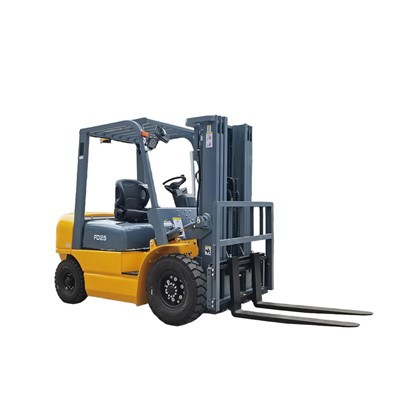
In conclusion, while diesel forklifts are powerful and reliable machines, they are not immune to problems. By being aware of these common issues and implementing regular maintenance procedures, operators can extend the lifespan of their forklifts and ensure safe and efficient operation. As a diesel forklift supplier, we are committed to providing high – quality products and comprehensive after – sales support to help our customers address these problems. If you are facing any issues with your diesel forklift or are considering purchasing a new one, we invite you to contact us for professional advice and to discuss your procurement needs. We look forward to working with you to find the best solutions for your material – handling requirements.
Small Excavator References
- "Diesel Forklift Maintenance Manuals" from various forklift manufacturers
- Industry – specific technical journals on material handling equipment
China Machinery International Trading Co., Ltd.
China Machinery International Trading Co., Ltd. is one of the most experienced diesel forklift manufacturers and suppliers in China. We warmly welcome you to buy cheap diesel forklift made in China here from our factory. Quality products and reasonable price are available.
Address: Room 233, 2nd Floor, Building 16A, No. 1, Shuguang Xili Jia, Chaoyang District, Beijing
E-mail: Info@tajhzg.com
WebSite: https://www.cnmachinery-global.com/
