When it comes to solar energy systems, the quality and proper installation of cables are of utmost importance. As a supplier of Protected & Direct Burial Solar Cables, I often encounter questions from customers about whether these cables require special installation. In this blog post, I will delve into this topic and provide you with comprehensive insights. Protected & Direct Burial Solar Cables
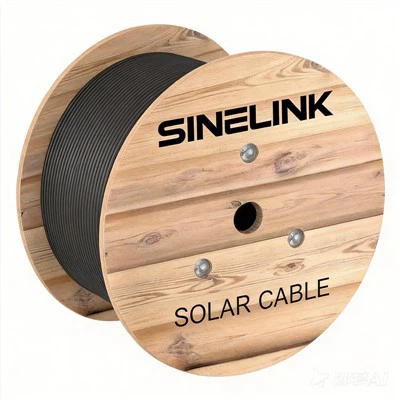
Understanding Protected & Direct Burial Solar Cables
Before discussing the installation requirements, it’s essential to understand what Protected & Direct Burial Solar Cables are. These cables are specifically designed for use in solar power systems. The "protected" aspect implies that they have certain features to safeguard them against various environmental factors such as UV radiation, moisture, and physical damage. The "direct burial" feature means that they can be buried directly in the ground without the need for additional conduit in many cases.
These cables are typically made with high – quality materials. The outer jacket is usually resistant to abrasion and chemicals, which is crucial for long – term durability when buried in the soil. Inside, the conductors are made of materials like copper or aluminum, which have excellent electrical conductivity.
Special Considerations for Installation
Ground Conditions
One of the primary factors that determine if special installation is required is the ground conditions. Different soil types can have varying effects on the cables. For example, in sandy soil, the cables may be more prone to shifting, which could potentially cause damage over time. In this case, it might be necessary to use additional securing methods such as cable ties or trenches with a more stable base.
On the other hand, clay soils can hold moisture, which may lead to corrosion if the cable’s protective jacket is not of high quality. When installing in clay soil, it’s important to ensure that the cable has a proper moisture – resistant layer. Additionally, the depth of burial may need to be adjusted. A deeper burial can help protect the cable from temperature fluctuations and surface disturbances.
Temperature Variations
Solar installations are often exposed to a wide range of temperatures. Extreme heat can cause the cable’s insulation to expand, while extreme cold can make it brittle. Protected & Direct Burial Solar Cables are designed to withstand a certain temperature range, but special installation may be needed in areas with particularly harsh temperature conditions.
For instance, in very hot climates, it may be advisable to install the cables at a greater depth to keep them cooler. In cold regions, adding insulation around the cable or using a cable with a more cold – resistant jacket can prevent damage.
Proximity to Other Utilities
When installing direct burial solar cables, it’s crucial to consider their proximity to other utilities such as water pipes, gas lines, and electrical lines. If the cables are installed too close to these utilities, there is a risk of interference or damage. For example, if a cable is installed near a water pipe and the pipe leaks, the cable could be exposed to water, leading to short – circuits or corrosion.
To avoid such issues, it’s recommended to follow local codes and regulations regarding the minimum separation distances between different utilities. In some cases, it may be necessary to use a physical barrier, such as a conduit or a layer of sand, to separate the solar cables from other utilities.
Protection Against Physical Damage
Even though these cables are designed to be buried directly in the ground, they are still vulnerable to physical damage. This can occur from construction activities, digging, or even the roots of large trees. To protect against physical damage, it may be necessary to install a protective layer over the cable, such as a concrete slab or a metal shield.
In areas with high foot or vehicle traffic, the cables should be buried deeper or protected with a more robust covering. Additionally, marking the location of the buried cables can help prevent accidental damage during future excavation work.
Standard Installation Procedures
Despite the special considerations, there are also standard installation procedures for Protected & Direct Burial Solar Cables.
Trenching
The first step in installing direct burial cables is to dig a trench. The depth of the trench depends on local codes and the type of soil. Generally, a depth of 18 – 24 inches is recommended to protect the cables from surface disturbances. The width of the trench should be wide enough to accommodate the cables without overcrowding.
Cable Placement
Once the trench is dug, the cables should be carefully placed in the bottom. It’s important to avoid sharp bends or kinks in the cable, as this can reduce its electrical performance and increase the risk of damage. The cables should be laid out straight and evenly, and any splices should be made using proper splicing techniques.
Backfilling
After the cables are placed in the trench, they should be covered with a layer of sand or soft soil. This layer helps to cushion the cables and prevent damage from rocks or other hard objects. Once the sand layer is in place, the rest of the trench can be backfilled with the original soil.
Benefits of Proper Installation
Proper installation of Protected & Direct Burial Solar Cables offers several benefits. Firstly, it ensures the long – term reliability of the solar power system. A well – installed cable is less likely to experience electrical failures, which can lead to power outages and costly repairs.
Secondly, it enhances the safety of the system. By following the proper installation procedures, the risk of electrical shock, fire, or short – circuits is significantly reduced.
Finally, proper installation can also improve the overall efficiency of the solar power system. A cable that is installed correctly will have lower resistance, which means less energy is lost during transmission.
Conclusion
In conclusion, while Protected & Direct Burial Solar Cables are designed to be buried directly in the ground, special installation may be required depending on various factors such as ground conditions, temperature variations, proximity to other utilities, and the need for protection against physical damage. By understanding these factors and following the standard installation procedures, you can ensure the long – term performance and safety of your solar power system.
Solar Connector If you are considering purchasing Protected & Direct Burial Solar Cables for your solar installation project, I encourage you to reach out to me. I have extensive experience in providing high – quality cables and can offer you professional advice on installation and usage. Let’s work together to make your solar energy project a success.
References
- International Electrotechnical Commission (IEC) standards on solar cables.
- National Electrical Code (NEC) guidelines for direct burial cable installations.
- Industry research papers on the durability and performance of solar cables in different environments.
Tianjin Xilingke New Energy Technology Co., Ltd.
Address: Suite 2601, Tower B, Wanghai International, Haihe East Road, Hebei District, Tianjin, China.
E-mail: robin@sinelinkev.com
WebSite: https://www.sinelinkenergy.com/
