Can Microbial Detection Kits be used for detecting microbial contamination in beverages?
As a supplier of microbial detection kits, I’ve witnessed firsthand the growing demand for reliable and efficient methods to ensure the safety and quality of various products. One area that has seen significant interest is the detection of microbial contamination in beverages. In this blog post, I’ll explore whether microbial detection kits are suitable for this purpose, the benefits they offer, and how they can be effectively utilized in the beverage industry. Microbial Detection Kits

The Importance of Detecting Microbial Contamination in Beverages
Beverages, whether they’re carbonated drinks, juices, dairy products, or alcoholic beverages, are consumed by millions of people every day. Ensuring their safety is not only a legal requirement but also a moral obligation for manufacturers. Microbial contamination in beverages can lead to a variety of issues, including spoilage, off – flavors, and most importantly, pose a risk to consumer health. Pathogenic microorganisms such as bacteria (e.g., Salmonella, E. coli, and Listeria), yeasts, and molds can cause foodborne illnesses, ranging from mild gastroenteritis to severe and life – threatening conditions.
For instance, in the case of dairy beverages, the presence of Listeria monocytogenes can cause listeriosis, which is particularly dangerous for pregnant women, the elderly, and those with weakened immune systems. In fruit juices, the presence of E. coli O157:H7 can lead to serious gastrointestinal problems. Therefore, early and accurate detection of microbial contamination is crucial to prevent these negative consequences.
Suitability of Microbial Detection Kits for Beverage Testing
Microbial detection kits are highly suitable for detecting microbial contamination in beverages. These kits are designed to be sensitive, specific, and easy to use. They can detect a wide range of microorganisms, including bacteria, yeasts, and molds, at low concentrations.
Sensitivity and Specificity
Most modern microbial detection kits are based on advanced technologies such as polymerase chain reaction (PCR), enzyme – linked immunosorbent assay (ELISA), or immunochromatographic assays. These technologies offer high sensitivity, allowing the detection of even a small number of microorganisms in a sample. For example, PCR – based kits can amplify the DNA of target microorganisms, making it possible to detect as few as 10 – 100 cells per milliliter of beverage.
In terms of specificity, these kits are designed to target specific microorganisms or groups of microorganisms. This means that they can accurately identify the presence of a particular pathogen, reducing the chances of false positives or false negatives. For example, a kit designed to detect Salmonella will only give a positive result if Salmonella is present in the sample, minimizing the risk of misdiagnosis.
Ease of Use
Microbial detection kits are typically designed to be user – friendly, even for those without extensive laboratory training. Many kits come with detailed instructions and all the necessary reagents and equipment. For example, a simple immunochromatographic assay kit may only require the addition of a beverage sample to a test strip and then waiting for a certain period of time to observe the result. This ease of use makes it possible for beverage manufacturers to perform in – house testing, reducing the time and cost associated with sending samples to external laboratories.
Rapid Results
One of the key advantages of microbial detection kits is the ability to obtain rapid results. Traditional microbiological methods, such as culturing, can take several days to weeks to produce results. In contrast, many microbial detection kits can provide results within a few hours or even minutes. This allows beverage manufacturers to quickly identify contaminated batches and take appropriate actions, such as recalling products or implementing corrective measures, before they reach consumers.
How to Use Microbial Detection Kits for Beverage Testing
To effectively use microbial detection kits for beverage testing, the following steps should be followed:
Sample Collection
Proper sample collection is crucial to ensure accurate results. Samples should be collected from different parts of the production line or from different batches of beverages to ensure representativeness. The samples should be collected using sterile equipment to avoid contamination during the collection process. For example, when collecting samples from a large tank of beverage, samples should be taken from the top, middle, and bottom of the tank.
Sample Preparation
Depending on the type of detection kit, some sample preparation may be required. This may include diluting the beverage sample, filtering it to remove large particles, or centrifuging it to concentrate the microorganisms. The sample preparation steps are usually described in the kit’s instructions.
Performing the Test
Once the sample is prepared, it is added to the detection kit according to the instructions. This may involve adding the sample to a test tube, a well on a microplate, or a test strip. The kit is then incubated for the specified period of time, usually at a specific temperature.
Reading and Interpreting the Results
After the incubation period, the results are read. This may involve observing a color change, a fluorescent signal, or a band on a test strip. The kit’s instructions will provide guidance on how to interpret the results, indicating what a positive or negative result looks like.
Benefits of Using Microbial Detection Kits in the Beverage Industry
Cost – effectiveness
Using microbial detection kits can be cost – effective for beverage manufacturers. In – house testing using kits eliminates the need to send samples to external laboratories, which can be expensive, especially for small and medium – sized enterprises. Additionally, the rapid results provided by the kits allow for quick decision – making, reducing the potential losses associated with product recalls or production delays.
Quality Control
Microbial detection kits are an essential tool for quality control in the beverage industry. By regularly testing beverages for microbial contamination, manufacturers can ensure that their products meet the required quality and safety standards. This helps to build consumer trust and maintain the reputation of the brand.
Regulatory Compliance
In many countries, there are strict regulations regarding the microbial quality of beverages. Using microbial detection kits helps beverage manufacturers to comply with these regulations. By having accurate and timely information about the microbial status of their products, manufacturers can avoid legal issues and penalties associated with non – compliant products.
Conclusion
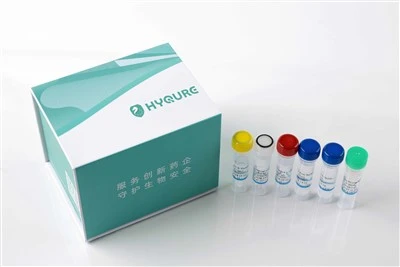
In conclusion, microbial detection kits are highly suitable for detecting microbial contamination in beverages. They offer numerous benefits, including high sensitivity and specificity, ease of use, rapid results, cost – effectiveness, and the ability to ensure quality control and regulatory compliance. As a supplier of microbial detection kits, I am confident that our products can play a crucial role in helping beverage manufacturers to produce safe and high – quality products.
Host Cell Residual Protein Detection Kits If you’re a beverage manufacturer or involved in the beverage industry and are interested in ensuring the microbial safety of your products, I encourage you to get in touch with us. We can provide you with more information about our microbial detection kits, offer technical support, and discuss how our products can be tailored to your specific needs. Let’s work together to safeguard the health of consumers and the success of your business.
References
- Atlas, R. M., & Bartha, R. (1998). Microbial Ecology: Fundamentals and Applications. Benjamin Cummings.
- Tortora, G. J., Funke, B. R., & Case, C. L. (2016). Microbiology: An Introduction. Pearson.
- ISO standards related to microbiological testing in food and beverage industry.
HyQure Biotech Co., Ltd.
As a professional microbial detection kits enterprise in China and Switzerland, we rely on international compliance standards, leverages excellent quality and technical strength. If you have any enquiry about cooperation, please feel free to email us.
Address: Building 18, Lane 2777 East Jinxiu Road, Pudong New Area, Shanghai 2.Stücki Park Hochbergerstr. 60 I, 4057 Basel Switzerland
E-mail: service@hyqure.com
WebSite: https://www.hyqure.com/
