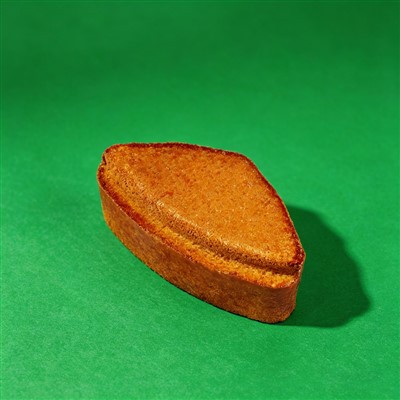
Buff Frankfurt and classical abrasives are essential products in various industries, including metalworking, woodworking, and polishing. As a reliable supplier of these products, I understand the importance of proper storage to maintain their quality and performance. In this blog post, I’ll share some best practices and scientific insights on how to store Buff Frankfurt and classical abrasives effectively. Buff Frankfurt and Classical Abrasive
Understanding the Nature of Buff Frankfurt and Classical Abrasives
Before diving into storage methods, it’s crucial to understand the characteristics of Buff Frankfurt and classical abrasives. Buff Frankfurt is a type of buffing material often used for high – precision polishing. It is usually made of fine – grained materials and is sensitive to external factors such as moisture and contamination.
Classical abrasives, on the other hand, come in different forms like sandpaper, grinding wheels, and abrasive powders. These materials are designed to remove material through friction. They can be made from various substances such as aluminum oxide, silicon carbide, and diamond. Each type of abrasive has its own physical and chemical properties that affect its storage requirements.
General Storage Principles
Temperature and Humidity Control
Temperature and humidity are two of the most important factors affecting the storage of Buff Frankfurt and classical abrasives. High humidity can cause rusting in metal – based abrasives and can also make Buff Frankfurt materials absorb moisture, which may lead to a decrease in their effectiveness.
For most Buff Frankfurt products and classical abrasives, a storage temperature between 10°C and 30°C (50°F – 86°F) is ideal. Relative humidity should be kept below 60%. To achieve this, it is advisable to use a climate – controlled storage room. If a large – scale climate – control system is not feasible, small dehumidifiers can be used in storage cabinets.
Protection from Contamination
Contamination can significantly reduce the performance of Buff Frankfurt and classical abrasives. Dust, dirt, and other foreign particles can clog the pores of abrasives, reducing their cutting ability. For Buff Frankfurt materials, contamination can affect the smoothness of the polishing surface.
To prevent contamination, abrasives should be stored in sealed containers or packaging. If the original packaging is damaged, transfer the products to clean, air – tight containers. Additionally, the storage area should be kept clean. Regularly sweep and mop the floors, and use air filters to reduce dust in the air.
Specific Storage Methods for Different Types of Abrasives
Sandpaper and Abrasive Sheets
Sandpaper and abrasive sheets are easily damaged and can lose their abrasive quality if not stored properly. They should be stored flat to prevent curling. You can stack them in a storage box, but make sure to separate different grits with dividers. This not only helps keep the sandpaper in good shape but also makes it easier to find the right grit when needed.
Another important aspect is to protect the sandpaper from abrasion during storage. Avoid placing heavy objects on top of the sandpaper, as this can damage the abrasive particles.
Grinding Wheels
Grinding wheels have specific storage requirements due to their shape and potential for structural damage. They should be stored vertically on a stable rack. This prevents deformation of the wheel, which could affect its balance during operation.
Before storing grinding wheels, inspect them for any signs of damage or cracks. Damaged wheels should be discarded immediately to avoid safety hazards. Also, keep them away from direct sunlight and heat sources, as excessive heat can cause the bonding material in the wheel to degrade.
Abrasive Powders
Abrasive powders are very fine and can be easily dispersed. They should be stored in sealed containers with air – tight lids. Plastic containers or metal cans are good options. Label the containers clearly with the type of abrasive powder, its grit size, and the date of purchase.
It’s important to keep abrasive powders away from moisture, as it can cause the powder to clump together. If clumping occurs, the powder may not disperse evenly during use, leading to inconsistent results.
Buff Frankfurt Materials
Buff Frankfurt materials are often made of soft, delicate fabrics or fibers. They should be stored in a clean, dry environment. Hanging them on hooks or storing them on shelves in a folded position is a good way to keep them organized.
Avoid storing Buff Frankfurt materials in areas where they can be easily crushed or tangled. If possible, store them in individual bags or compartments to prevent damage and contamination.
Long – Term Storage Considerations
For long – term storage, additional precautions need to be taken. First, conduct regular inspections of the stored products. Check for signs of corrosion, mold growth, or any other forms of damage. If any issues are detected, take immediate action to address them.
For products that are not used frequently, consider applying a light coating of a protective agent. For example, metal – based abrasives can be coated with a thin layer of anti – rust oil. However, make sure that the protective agent does not interfere with the performance of the abrasive.
Documentation and Inventory Management
Proper documentation and inventory management are also important aspects of storage. Keep a record of the purchase date, batch number, and quantity of each product. This information can be useful for tracking the shelf life of the products and for quality control purposes.
Implement an inventory management system to keep track of the stock levels. This will help ensure that you always have an adequate supply of Buff Frankfurt and classical abrasives on hand. It also allows you to identify slow – moving products and take appropriate actions, such as offering promotions or adjusting your purchasing strategy.
Conclusion
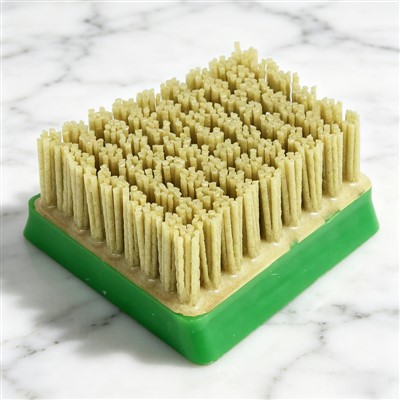
Proper storage of Buff Frankfurt and classical abrasives is essential to maintain their quality and performance. By controlling temperature and humidity, protecting from contamination, and following specific storage methods for different types of products, you can ensure that your abrasives remain in optimal condition for a longer time.
Diamond Fickert Abrasive If you are in need of high – quality Buff Frankfurt and classical abrasives, or if you have any questions about storage or product usage, I encourage you to reach out to me for further discussion. I am committed to providing the best products and services to meet your industrial needs.
References
- "Handbook of Abrasive Technology" by R. K. Jain
- "Surface Finishing Technology" edited by P. K. Mallick
- Industry standards and guidelines on the storage of industrial abrasives
Quanzhou Cheefung New Materials Co., Ltd.
As one of the most experienced buff frankfurt and classical abrasive enterprises in China, we are able to meet the needs of the majority of our customers. Please feel free to wholesale advanced buff frankfurt and classical abrasive made in China here from our factory. For price consultation, contact us.
Address: Jinshan Community, Licheng District, Quanzhou City, Fujian, China
E-mail: info@prostonetools.com
WebSite: https://www.prostonetools.com/
