Let’s get real for a second: if you’re an angler who’s ever showed up to the lake, river, or offshore rig only to get caught mid-cast by a surprise downpour, you’ve definitely googled “can I use a rain poncho for fishing?” I’ve answered this question a hundred times since I started running our rain poncho supply business—whether it’s from a weekend bass fisherman in Iowa, a charter skipper in Florida, or a group of commercial trawlers in the Pacific Northwest. And the short answer isn’t just “yes” or “no”; it’s “it depends on the type of poncho, how you use it, and what kind of fishing you’re doing.” Let’s break this down like we’re talking shop over a cooler of post-fishing beer, no stuffy industry jargon allowed. Rain Poncho
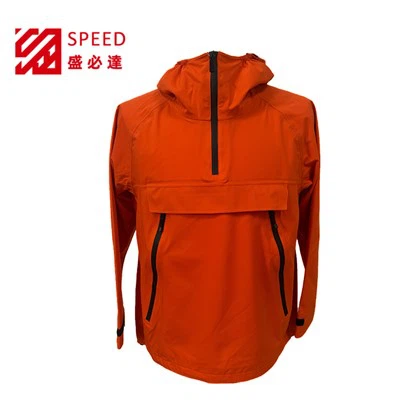
First, let’s clear up a common myth: not all rain ponchos are created equal. I see this mistake all the time: a guy grabs a cheap, disposable poncho from the gas station, throws it on, and complains it’s useless by the time he’s 10 yards from his truck. The difference between a poncho that works for fishing and one that’s just a soggy mess boils down to three key factors: material, fit, and functionality designed specifically for anglers. Most generic ponchos are made from thin, single-layer polyethylene that tears if you so much as brush a sharp fishing hook or a rough dock edge. They’re also built to hang loosely like a costume, so when you’re casting, reeling, or leaning over the gunwale of a boat, that flimsy fabric wraps around your arms, tangles your line, or rides up so your lower back and legs get soaked. That’s not a poncho— that’s a temporary plastic bag, and it’s no good for anyone who wants to focus on their catch, not their rain gear.
Now, let’s talk about why a well-built fishing-specific poncho actually works. I started this business after years of guiding freshwater fishing trips myself, back when I’d get stuck working 12-hour days in rain that never let up, and every waterproof jacket I bought either leaked under the arms or was too bulky to cast with. I noticed most anglers don’t need a heavy, insulated hardshell for all their trips— especially if you’re fishing in mild, rainy conditions (say, 50 to 70 degrees Fahrenheit) or warm coastal climates where overheating is a bigger risk than cold. A high-quality nylon or polyester poncho with a lightweight, breathable waterproof coating (like PU or polyurethane laminate) strikes that perfect balance: it blocks rain, lets sweat escape so you don’t feel like you’re swimming in your own condensation, and is flexible enough to move with you while you work a lure.
Wait, but what about when you’re fishing in rougher conditions? Let’s say you’re surf fishing in the Atlantic during a spring nor’easter, or chasing tuna offshore where spray is non-stop. Can a poncho hold up there? Absolutely— if you get one with the right features. The best fishing ponchos have a few specific add-ons that generic ones skip: taped seams (no more leaky stitching around the shoulders or hood), adjustable hoods that fit tight around a baseball cap or beanie so rain doesn’t drip down your neck, and reinforced panels along the bottom and arms that resist tears from hooks, dock nails, or rough net handles. I’ve had commercial fishermen tell me our ponchos have lasted them three full fishing seasons out on the Bering Sea, even with all the abuse they take working around heavy gear and 20-foot waves.
There’s a big upside to ponchos over traditional fishing jackets, too: versatility. When you’re done fishing for the day, you can wrap the poncho around your shoulders to stay warm in the wind while you pack up your gear, lay it over a cooler to keep your catch dry, or even use it as a makeshift shelter if you get stuck waiting out a storm at the boat ramp. Jackets are bulky to stow in a tackle box or a small fishing kayak, but a poncho rolls up to the size of a water bottle and fits in your pocket or gear bag— that’s a game-changer for anyone who’s tight on space. I’ve watched kayak anglers rave about our ponchos because they don’t get in the way of their paddle or their rod, unlike a bulky jacket that rides up or restricts arm movement.
That said, there are definitely cases where a poncho isn’t the best call— and I’m not going to lie to you about that. If you’re fishing in temperatures below 40 degrees Fahrenheit, where insulation is non-negotiable, a lightweight poncho won’t keep you warm enough, and you’ll end up hypothermic even if you’re dry. In those conditions, you want a waterproof, insulated bib and jacket system that traps body heat. Another time a poncho falls short? If you’re fishing in heavy, constant rain for more than 8 hours straight, no matter how breathable the fabric is— most lightweight ponchos can only do so much, and you’ll start to build up sweat condensation inside if you’re moving around a lot. For all-day, high-volume fishing in cold, steady rain, a hardshell jacket is still your better bet. But for casual weekend trips, short morning or evening outings, kayaking, or shore fishing where mobility is key? A poncho is perfect.
I get asked all the time: “Wait, won’t my line get tangled in a poncho?” That’s another common worry, and it’s totally valid if you’re using the wrong type of poncho. Generic loose ponchos will billow and wrap around your arms when you cast, but fishing-specific ponchos are cut to fit closer to the body, with sleeves that are long enough to cover your arms without being so wide they flap around. Some even have open sides or adjustable velcro along the torso that lets you cinch the fabric tight when you’re casting, so there’s no excess material to get in your way. I’ve tested this myself hundreds of times: last month, I was fishing for musky in northern Wisconsin during a torrential downpour, and I cast a 10-foot lure over 50 times without a single tangle, because my poncho didn’t move an inch.
Another point that’s near and dear to my heart: durability and value. A good waterproof fishing jacket can cost $200 or more, and if you’re only using it a few times a season, that’s a huge investment that might not pay off. A high-quality poncho from a reliable supplier like us is a fraction of that cost, and with proper care (wipe it down after use, don’t drag it on sharp surfaces, store it dry), it can last for years. I’ve had customers tell me they’ve gone through three $50 disposable ponchos a season, and switching to our heavy-duty ponchos has saved them hundreds of dollars a year. Plus, if you’re part of a fishing club or run a charter business, ponchos are a cost-effective way to outfit your whole crew without breaking the bank— and they’re way easier to replace when one gets damaged than a bunch of expensive jackets.
Wait, what about saltwater fishing? A lot of anglers who fish in salt think their gear needs to be a special, heavy-duty type, and ponchos get written off as too delicate. But that’s not true! Our saltwater-grade ponchos are treated with a UV-resistant coating that blocks the corrosive effects of salt spray, and the fabric won’t break down or get stiff after exposure to saltwater. I have a regular customer who runs a deep-sea charter out of Key West, and he told me he’s used our ponchos for two years straight, washing them off with freshwater at the end of every trip, and they still look and work like new. They’re light enough to stay comfortable in 90-degree Florida afternoons, but tough enough to stand up to wind and spray from the Gulf of Mexico.
Let’s talk about a scenario I think about a lot: the surprise rain. You’re planning a day of fishing, check the weather app, and it says “sunny, 70 degrees”— an hour after you launch the boat, dark clouds roll in, and it starts pouring. If you brought a bulky jacket, it’s in the bottom of your tackle bag, wet from the morning dew, and you have to unzip it and fumble with zippers in the rain while your line gets soaked. A poncho? It’s right there in your pocket, you pull it out, unfold it in 10 seconds, and put it on without taking your eyes off the water. That convenience can mean the difference between a miserable, cut-short trip and a full day of fishing, even with the weather turning bad. I’ve seen so many anglers get skunked on their last cast because they spent 10 minutes trying to put on a jacket instead of fishing— that’s the last thing you want when the bite is on.
Of course, there are small hacks to make a poncho work even better for fishing. If you’re shore fishing or kayak fishing, tuck the bottom of the poncho into the waistband of your pants to keep rain from running up inside. If you’re on a boat, use a small carabiner to clip the hood of the poncho to your life jacket so it doesn’t blow off in the wind. And if you’re worried about line tangles, look for a poncho with a thumb hole or a slot for your rod arm that keeps the fabric tucked back while you cast. We design all our ponchos with those exact features because we’ve heard the feedback from anglers— we don’t just sell gear, we use it too.
At the end of the day, the question “can I use a rain poncho for fishing” isn’t a yes/no answer— it’s about matching the right gear to your specific needs. If you’re a casual angler who goes out for a few hours on the weekend, likes to keep your gear light, and fishes in mild weather? A well-built fishing poncho is not just a viable option— it’s probably better than a heavy, restrictive jacket. If you’re a serious cold-water angler or you’re doing all-day trips in heavy, fringing rain? A poncho might be a backup or a layering piece, not your primary gear. But for most of the anglers I talk to, 9 out of 10 of them can get great use out of a quality rain poncho, and they don’t have to spend a fortune to get one that works.
I started this business because I was tired of seeing anglers overpay for gear that didn’t fit their needs, or get stuck with cheap ponchos that fell apart after one use. We work directly with fishing guides, charter companies, and weekend anglers to make ponchos that are tested on the water, designed for movement, and built to last. Whether you’re looking to outfit your whole crew for a season of trips, or just need a few extra ponchos to keep in your boat for surprise rain, we can help you find the right fit for your fishing style.

If you’re ready to learn more about our fishing-specific rain ponchos, or want to talk about bulk pricing for your business or group, reach out to our team to connect for a procurement consultation. We’re here to make sure you have the right gear to stay dry and focused on what matters: catching fish.
Work Rain Suit References
- American Sportfishing Association. (2022). Angler Gear and Equipment Trends: Waterproofing and Mobility for Freshwater and Saltwater Fishing.
- Outdoor Industry Association. (2021). Rain Gear Performance Standards for Recreational and Commercial Water Sports.
- National Oceanic and Atmospheric Administration (NOAA). (2020). Weather Preparedness for Recreational Boaters and Anglers.
- Fishing Guides Association of North America. (2023). Recommended Gear for Short and Long-Distance Fishing Trips in Variable Weather.
Huizhou Shengbida Technology Co., Ltd.
We are one of the most professional rain poncho manufacturers and suppliers in China, specialized in providing high quality customized service. Please feel free to buy cheap rain poncho for sale here and get free sample from our factory. For price consultation, contact us.
Address: No.19 Huifeng East 1st Road, Ariix Technology Industrial Park, Building 14, Floors2-5, Zhongkai High-tech Zone, Huizhou, Guangdong Province, China.
E-mail: y312029540@gmail.com
WebSite: https://www.shengbidatech.com/
