If you’ve ever squinted at a screen mid-afternoon or ended a workday with a pounding headache, chances are the lighting in your space had something to do with it. As an LED T-Bulb supplier, I get asked all the time: “Why does one LED bulb feel so much better on my eyes than another?” The answer isn’t just brightness—it’s light quality, and it’s way more impactful on vision than most people realize. Let’s break this down, no stuffy jargon, just real stuff I’ve picked up working with bulbs day in and day out. LED T-Bulb
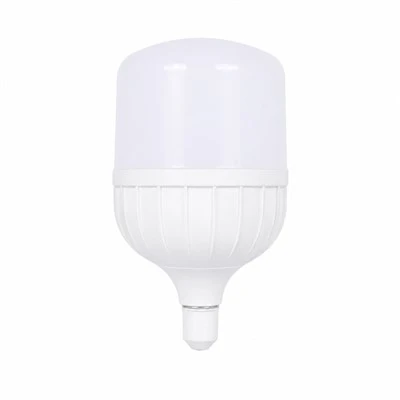
First off, let’s stop confusing brightness with good light. Brightness is just how much light you can see (measured in lumens, but honestly, most people just want “not dim”). Light quality is the whole vibe: color temperature, color rendering, flicker, and blue light output. All of these play together, and if even one’s off, your eyes pay the price.
Let’s start with color temperature—you’ve probably seen numbers like 2700K, 5000K on bulb packaging. That K stands for Kelvin, and it’s basically how warm or cool the light is. Warm light is that cozy yellow glow, like old incandescents (around 2700K to 3000K), while cool light is the sharp blue-white stuff, often 5000K or higher, similar to daylight. Now, here’s the thing for your vision: our circadian rhythm is tied to this temperature. If you blast 5000K bulbs all night long, your brain thinks it’s still daytime, so it suppresses melatonin (the sleep hormone). But wait, it’s not just sleep—your eyes work differently at different temps. Cool light is crisper for focusing on small tasks, like reading or assembling a gadget, but if you’re staring at it for 8+ hours, your eye muscles have to strain harder to adjust. I see this a lot in office spaces where folks pick a “bright” bulb without thinking about temperature: by 5 PM, half the team is rubbing their eyes. Warm light is gentler, but too warm (like under 2500K) can make text look fuzzy because it’s not as sharp. The sweet spot for most indoor spaces, whether it’s a home office or a living room where you work and relax, is 3000K to 4000K—enough clarity for tasks, not so harsh that it drains your eyes.
Next up, color rendering index (CRI). CRI is a 0 to 100 scale that tells you how accurately a light source shows real colors, compared to natural sunlight. A high CRI (80+ is good, 90+ is really good) means that reds don’t look pink, that new shirt’s blue is the same under the bulb as it is outside. Why does this matter for vision? If CRI is low, your eyes have to overcompensate for the weird color cast—like when you shop for clothes under a store’s yellow bulbs and realize they’re way different at home. That constant adjusting isn’t tiring, it’s exhausting. I had a client a while back who kept buying LED bulbs for her boutique, and her sales staff complained about headaches all the time. Turns out she was buying cheap bulbs with a CRI of 72—those red dresses looked dull, so the staff squinted to see details, then got migraines when they moved to a different area with a higher CRI bulb. Switched us to our T-Bulbs with a CRI of 90, and she called a week later saying the headaches stopped. That’s not a sales pitch, that’s just real feedback from someone who didn’t know bad color rendering was messing with her team’s vision.
Now, flicker—this is the big one most people don’t notice, until it’s causing a problem. Flicker is when a light source turns on and off super fast, way too quick for your conscious eye to pick up, but your eyes and brain still register it. Old fluorescent bulbs had terrible flicker, and some cheap LEDs still do. Why is this bad? Studies (I’ve read a bunch, because I need to know this stuff) show that even invisible flicker makes your eyes work harder to stabilize the image you’re seeing. Long term, that leads to eye strain, dry eyes, and even headaches. I’ve tested tons of LED T-Bulbs, and the ones that meet the international standards for flicker-free light are a game-changer. You can test it yourself if you’re curious: turn your phone camera on (most phones pick up flicker that the naked eye misses) and point it at a bulb. If you see that weird scrolling bar or flashing, that’s flicker. Our T-Bulbs have zero visible flicker on camera, and our customers always mention how much less eye strain they have after switching.
Then there’s blue light, which everyone talks about now, but it’s not all bad. Blue light is part of natural sunlight, and it actually helps you stay awake and alert during the day. The problem is artificial light with too much high-energy blue light, especially the cool, high-K bulbs. Too much of that blue light at night messes with your sleep, but it also affects your eyes. Long-term exposure to high levels of blue light can damage the cells in your retina, right? Wait, let me make that clear—this is from the CDC and a bunch of ophthalmology studies: it’s chronic, over decades, not from a week of using a bad bulb. But in the short term, blue light can make your eyes feel dry and tired, especially if you’re also staring at a screen. Our LED T-Bulbs have a blue light filter that cuts down on that harsh high-energy blue light, while still keeping the clarity you need. We don’t overdo it, so during the day you get that alerting blue light to keep you focused, but at night it’s softer, so your eyes don’t feel fried.
I want to be honest here—you don’t need to run out and buy $50 bulbs for every lamp. Good light quality doesn’t have to be expensive. What matters is that you’re paying attention to those four factors: color temp (3000K-4000K is safe for most spaces), CRI (80+ minimum, 90+ if you can swing it), zero flicker, and balanced blue light. Cheap bulbs usually skip on all that to cut costs, so they’re dim in name only, and they wreck your eyes.
Let’s talk about how this plays out in real life. If you’re setting up a home office, you want a bulb that’s bright enough to read, but not so bright that it strains your eyes. Our 3500K T-Bulb with 90 CRI, flicker-free, and balanced blue light is perfect. It’s similar to natural daylight but not harsh, so you can work 8 hours without rubbing your eyes every hour. If you’re putting bulbs in a bedroom or living room where you relax, go warmer—our 2700K T-Bulb still has 85 CRI, so it shows colors accurately, and no flicker, so you can wind down without your eyes feeling overworked.
I’ve had customers tell me they switched to our LED T-Bulbs and their dry eye symptoms got better. Another guy, a teacher, said his students used to complain about headaches during long test days, and after we switched his classroom bulbs, the complaints stopped. That’s what this is all about—lighting that works with your eyes, not against them.
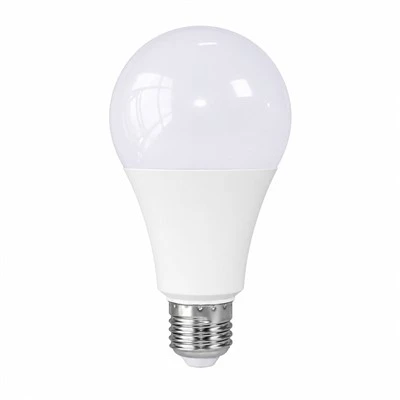
As someone who’s been in the LED bulb game for years, I see too many people settle for whatever bulb is cheapest at the hardware store, not realizing that the light quality is what makes the biggest difference for their vision. Flicker, bad CRI, wrong color temp—these aren’t just “annoying” small things, they add up over time.
T Shaped Bulbs If you’re a business owner looking to upgrade your space’s lighting, or a homeowner who’s tired of eye strain, let’s chat. We can help you pick the right LED T-Bulbs for your specific space—home office, retail store, classroom, whatever—so you get good light that’s easy on the eyes. No pressure, just real advice from someone who’s spent years testing these bulbs and listening to what customers actually need. If you want to improve your space’s lighting and cut down on eye strain, reach out to start the conversation about getting the right bulbs for your needs.
References
- American Academy of Ophthalmology. (2022). "Lighting and Your Eye Health." Retrieved from professional guidelines on vision care.
- International Commission on Illumination (CIE). (2018). "Recommendations for Lighting for Workplaces." Standards on light quality for indoor environments.
- U.S. Centers for Disease Control and Prevention (CDC). (2021). "Blue Light Exposure and Circadian Rhythms." Public health research on artificial light impacts.
- Journal of Occupational and Environmental Hygiene. (2020). "Invisible Flicker from LED Lighting and Ocular Strain." Study on flicker’s effects on eye fatigue.
- Color Rendering Index (CRI) Standards. (2019). International Lighting Council (ILC) guidelines for accurate color reproduction in artificial light.
Hangzhou Lin’an Mingfeng Electric Parts Co., Ltd.
We are one of the most experienced LED t-bulb manufacturers and suppliers in China since 1996. We warmly welcome you to wholesale customized LED t-bulb made in China here from our factory. If you have any enquiry about pricelist and quotation, please feel free to email us.
Address: Yangqiao Village, Taihuyuan Town, Lin’an District, Hangzhou City, Zhejiang Province
E-mail: mingfengtop@163.com
WebSite: https://www.mingfengtop.com/
