If you’ve ever dug through a thrift store bin or cleaned out your closet and found a pair of retro cat-eye frames from the 1970s, round wire shades from the 90s, or even a designer pair you forgot you owned and haven’t touched in years, you’ve probably asked yourself one question: Can I recycle vintage sunglasses? As someone who runs a Recycle Sunglasses supplier—someone who’s handled thousands of pairs of old shades, broken frames, and lens-less pairs that people thought were trash for years—I’m here to tell you the answer isn’t a simple yes or no, but it’s definitely worth figuring out. Most people assume old sunglasses go straight to a landfill, but that’s not the case, and thanks to the work we do every day, a lot of vintage pairs can actually be given a second life—if you know how to sort, prep, and send them right. Recycle Sunglasses
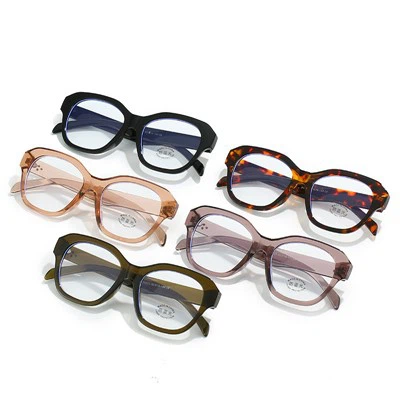
First, let’s get one thing straight: Vintage sunglasses aren’t just “old sunglasses.” They’re a category of their own, and the rules that apply to modern, mass-produced sunglasses shift when you go the vintage route. Modern cheap sunglasses, the ones you pick up at a drugstore for $10, are almost always made with mixed materials: plastic frames glued to polycarbonate lenses, metal accents that aren’t easy to separate, and sometimes even coatings that can leach chemicals if broken down wrong. Vintage pairs, though, were made differently. Back before mass production became the norm, many vintage sunglasses were built to last. You’ll find high-quality acetate frames (that’s the same stuff used in high-end eyewear today, not the cheap plastic that cracks), glass lenses instead of the scratch-prone polycarbonate we see now, and even solid metal frames that can be polished and reused. That’s a huge difference when it comes to recyclability.
But here’s the catch: Not all vintage sunglasses are recyclable, and even the ones that are take a little extra care because they’re older. I see this all the time when people send in pairs they think are “just old frames.” For example, a 1960s pair of cat-eye sunglasses with broken lenses—those are perfect for recycling, because the frame is solid acetate and the metal hinges are intact. A 1980s pair of wayfarers that have a tiny crack in the arm? Still recyclable; even damaged vintage frames can be melted down and reformed. The problem comes when a pair has plastic frames glued permanently to scratched lenses, or if the frames have paint or stickers that can’t be removed. That’s why sorting through what you have before you reach out to a recycler is so important.
Let’s break down what makes a vintage sunglasses pair recyclable, starting with the frame material. Acetate is the big one here. Most old luxury and mid-range vintage sunglasses used cellulose acetate, a plant-based plastic that’s 100% recyclable. It doesn’t break down into microplastics the way cheap petroleum-based plastic does, and when processed correctly, it can be turned into new frames, watch bands, or even small household items. Metal frames are another win—whether they’re made from stainless steel, brass, or aluminum, metal is infinitely recyclable. Even if the metal is a little scuffed or has a few dents, it can be melted down and reused without losing quality. The only metal part we have to pass on is small, decorative hardware like tiny rhinestones or enamel accents, because those mix with the metal and ruin the recycling batch.
Lenses are the next piece of the puzzle. Vintage lenses are almost always glass, which is super easy to recycle. Glass can be melted down and reformed over and over again, no loss in quality, and it doesn’t release harmful chemicals when processed. Modern lenses, by contrast, are polycarbonate, a type of plastic that’s much harder to recycle, especially when mixed with other materials. That’s why vintage pairs with glass lenses are way more desirable for recycling than modern ones. If you have a vintage pair that has a plastic lens (though that’s rare pre-2000), we can still handle it, but it has to be separated from the frame and processed separately because it’s not compatible with the acetate or metal batches.
Now, what about pairs that aren’t in perfect shape? I get it—your vintage sunnies might have a cracked arm, a scratched lens, or a missing hinge. A lot of people think that if a pair isn’t wearable, it’s not worth recycling, but that’s not true. We take in every single pair, even the ones that are broken beyond repair. For example, a pair with a cracked acetate frame can be ground up and made into new acetate pellets, which then get turned into new frames. Metal frames that are dented or have broken hinges can be melted down, the metal separated from any non-recyclable parts, and reused. Even the most beat-up vintage sunglasses have value—we’ve turned pairs with missing lenses and chipped paint into new frames for customers who want sustainable, eco-friendly eyewear.
That said, there are some vintage sunglasses that we can’t recycle, and it’s important to know what those are so you don’t send in something that’ll get stuck in a landfill. The main culprits are pairs that have toxic coatings or materials. For example, some very old pairs (pre-1950) might have lead-based paint on the frames, or lenses with mercury coatings to block UV rays. We have to handle those separately, as hazardous waste, so they never end up in regular recycling. Another no-go? Pairs that are made with mixed materials that can’t be easily separated—like a vintage pair where the frame is plastic and the lens is glued on with epoxy that’s impossible to remove. If you can’t pry the lens off the frame with a little effort, that pair might not be recyclable with standard processes, but we can still work with you to find a solution.
So, what do you do if you have vintage sunglasses you want to recycle? The first step is to prep them correctly, which is simpler than you might think. Start by wiping them down with a soft cloth to get rid of dirt or dust—we don’t need them to be spotless, just free of loose debris. Next, take a minute to check the materials: If the lenses are glass and the frames are solid plastic or metal, they’re good to go. If the lenses are plastic, note that so we can process them separately. If the frames have any loose decorative parts (like rhinestones), you can take those off, but don’t worry if you can’t—our team will handle sorting that later. The biggest thing is to make sure you don’t send in any hazardous pairs (the ones with lead paint or mercury lenses) unless you let us know ahead of time, so we can process them safely.
A lot of people also ask about donating vintage sunglasses instead of recycling them, and that’s a great option if your pairs are still wearable. Vintage sunglasses are super popular with thrifters, designers, and even costume makers—people love the unique, one-of-a-kind style of old pairs that you can’t find in stores today. We often partner with thrift stores and vintage fashion brands that are looking for authentic frames to sell, so if your pairs are in good shape, donating them is a way to keep them in use without sending them to recycling at all. But if your pairs are broken, scratched, or missing parts, recycling is the way to go, because those ones can’t be donated.
As someone who’s been in this industry for years, I’ve seen firsthand how much of an impact vintage sunglasses recycling can have. A few years ago, we took in a batch of 1,200 pairs of vintage sunnies from a family that was clearing out their parent’s attic. Most of them were from the 1960s and 70s, with acetate frames and glass lenses. We sorted them, separated the still-wearable pairs to donate to a local thrift store, and processed the broken pairs into new acetate pellets. Those pellets ended up being used for a line of sustainable frames that a designer launched last year—so that batch of old, forgotten sunglasses is now on people’s faces, keeping them protected from the sun. That’s the beauty of recycling vintage goods: it’s not just about throwing something away, it’s about giving it a new life.
I also want to address a common misconception: a lot of people think that because vintage sunglasses are old, they’re too fragile or too valuable to recycle. But that’s not true. Yes, rare vintage pairs might be worth more as collectibles, and in that case, you should definitely sell or donate them instead of recycling. But if your vintage pair is just a regular old pair that you don’t want or wear, and it’s not a rare collectible, recycling is the best option. We work with thousands of pairs every month, and we can tell the difference between a rare 1950s pair that’s worth keeping and a regular mass-produced vintage pair that’s perfect for recycling. If you’re not sure, just send us a description—we’ll let you know if it’s worth saving or if it’s ready to be recycled.
Now, let’s talk about what happens after you send your vintage sunglasses in. Once our team receives them, we go through a detailed sorting process. First, we separate wearable vintage pairs from non-wearable ones. The wearable ones go to our partner thrift stores or fashion brands, where they’re sold, reused, and loved by new owners. The non-wearable pairs go through a material sorting step: we separate acetate frames from metal frames, and if there are plastic lenses, we separate those from glass lenses. Then, each material goes to a specialized recycling facility that can process it properly. Acetate is melted down and made into new pellets, metal is melted and reforged into new metal products, and glass is crushed and reused for new glass items. No part of a vintage sunglasses pair goes to a landfill if we can help it.
I also want to touch on why this work matters, especially now. Fast fashion has flooded the eyewear market, with millions of cheap sunglasses being produced every year, most of which end up in landfills within a year of being bought. Vintage sunglasses recycling is a way to cut down on that waste, because instead of making new materials from scratch, we’re reusing materials that already exist. Acetate, for example, takes millions of years to form naturally, so reusing it is a huge win for the planet. Metal mining destroys habitats and uses tons of water and energy, so reusing old metal frames is way more sustainable. Even glass recycling uses less energy than making new glass, so every pair we recycle helps reduce our carbon footprint.
If you’re ready to recycle your vintage sunglasses, the process is simple. You don’t need to do anything fancy—just gather up the pairs you don’t want, prep them by wiping them down, and reach out to us. We’ll send you all the information you need, including how to package them and where to ship them. We even provide free shipping for bulk orders, so if you’re a thrift store, vintage shop, or just have a big collection to clear out, it’s easy and affordable to get started.
I know it’s easy to look at an old pair of sunglasses and think it’s worthless, that it’s just trash that has to be thrown away. But after years in this business, I can tell you that almost every pair of vintage sunglasses has value. Whether it’s being worn by someone who loves its retro style, or being melted down and turned into a new pair of frames that’ll protect someone’s eyes, there’s a place for every old pair. Recycling isn’t just about keeping landfills clean—it’s about honoring the craftsmanship of the people who made those old pairs, and making sure their materials aren’t wasted.
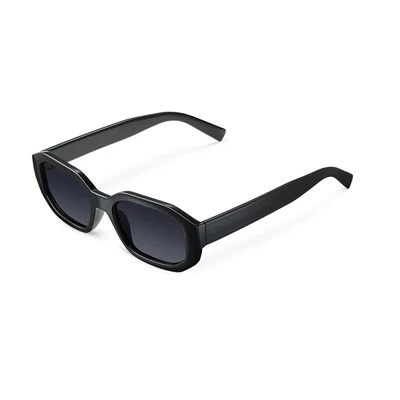
So the next time you clean out your closet and find a dusty pair of cat-eye shades, or a round pair from the 90s you haven’t touched in decades, don’t just toss it in the trash. Take a minute to think about whether it’s worth recycling. If it is, we’re here to help. We handle every step of the process, from sorting to recycling, so you don’t have to worry about a thing. It’s a small step, but it’s one that makes a big difference for the planet, and for the future of eyewear.
Recycle Sunglasses If you’re interested in learning more about our vintage sunglasses recycling program, or if you have a collection you’d like to send in, please reach out to our team to discuss your needs. Let’s turn those forgotten old shades into something new.
References
- Environmental Protection Agency. (2022). Recycling Basics: Glass, Plastic, and Metal. U.S. EPA.
- International Organization for Standardization. (2019). Standards for Recycled Cellulose Acetate in Eyewear Manufacturing. ISO 14001:2015.
- The Vintage Fashion Guild. (2021). A Guide to Vintage Eyewear Materials and Rarity. VFG Resource Library.
- European Environmental Agency. (2020). Waste from Fast Fashion: The Eyewear Sector. EEA Report No 17/2020.
- Eyewear Recycling Initiative. (2022). Best Practices for Processing Vintage and Modern Sunglasses. ERI Technical Report.
Yiwu Finewell Eyewear Co., Ltd.
Yiwu Finewell Eyewear Co., Ltd. one of the leading recycle sunglasses manufacturers and suppliers in China. We warmly welcome you to buy or wholesale discount recycle sunglasses from our factory. All customized products are with high quality and competitive price. Contact us for more details.
Address: Yiwu Wangshang Chuangye Building, No.407, Yongjun Road, Beiyuan Street, Yiwu City, Jinhua City, Zhejiang Province.
E-mail: Mariayang@ywfinewell.com
WebSite: https://www.finewelleyewear.com/
