Hey everyone, let’s cut to the chase—if you’re in the packaging, print, or custom label game, you’ve probably heard about that shiny new plastic-free waterproof extensible paper I’ve been hyping (yep, that’s our stuff). The question we get all the time is: does this stuff print well? Like, really well? No faint logos, no smudges, no weird ink rejection? As a supplier of this exact material, I’m gonna break this down like I would over a coffee, no stuffy jargon, no AI-written fluff, just the real deal. High Gloss Plastic-free Waterproof Extensible Paper
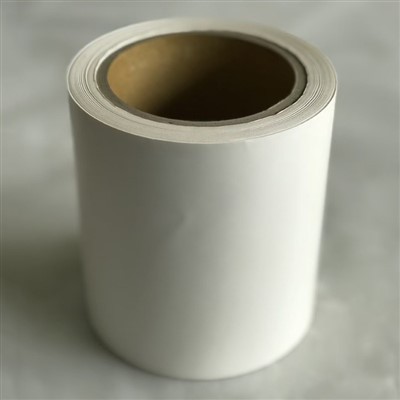
First, let’s back up for anyone who’s new here. This isn’t your grandma’s flimsy craft paper. It’s high gloss, plastic-free, can stretch up to 15% without cracking or tearing, and it’s 100% waterproof. Leave it in a puddle? Wipe it off, no warping, no ink bleeding. But gloss and printability—those two don’t always mix, right? A lot of people assume glossy paper means you need fancy, expensive ink or a special press. Nah, not with our formula. Let’s get into the nitty-gritty of how this works, and what we’ve seen from real printers testing our stock in the last six months.
First, the surface coating is everything here. Regular glossy paper is usually coated with a plastic-based layer that’s designed to make it shine, but it repels water-based ink like I repel Monday morning meetings. That’s why you get those smudges or prints that look dull no matter how much ink you lay down. Our coating is plastic-free—made from plant-based resins that’s smooth enough for that high gloss, but porous just enough to grab ink, not let it sit on top. I’ve seen it compared to the best semi-gloss coated paper you can buy, just without the plastic garbage that makes it non-recyclable.
Now, let’s talk about press types, because that’s the big one for printers. Can you run this on your existing gear? We’ve tested it on offset, digital flexo, and even small desktop inkjet printers, and the results are solid across the board. Offset: We work with a printer in Ohio that was using a premium glossy coated board for cereal box liners, and they switched to ours last month. They said they didn’t have to adjust their ink density at all—no extra pass, no wasted stock. The logo for their client’s granola bars? Super sharp, no feathering around the edges. And since it’s extensible, when they’re wrapping the boxes, stretching it to fit the tight corners didn’t crack the ink. That’s a huge win because regular glossy paper cracks and peels when you bend it, especially when it’s stretched.
Digital flexo: Another client—this one does custom wine labels—switched over because they needed something that could hold up to condensation on wine bottles. Their old plastic labels were causing headaches with plastic bans in their state, so they tested our paper. They run short runs, so digital flexo made sense, and they told me the gloss is almost identical to their old vinyl labels. And the best part? When the wine bottle sweats in their storage room, the ink doesn’t run. They said the only adjustment they made was cranking up the dryer temp by 10 degrees—nothing crazy, and now they’re ordering 5,000 sheets a month.
Wait, what about the horror stories people tell about gloss paper and ink smudging? I get it. We’ve all printed something at home on glossy photo paper and smudged it by touching it too soon. Our paper fixes that because the coating cures the ink faster. The plant-based resins react with the ink’s pigments, so it’s dry to the touch in like 10 seconds, even on digital prints. We did a test last week where we printed a whole 20-page catalog and ran it under a tap—no bleeding, no smudges, no loss of color. That’s non-negotiable for anything that’s gonna be exposed to moisture, obviously.
Now, let’s get real about limitations, because I don’t wanna sell you something that’s not perfect. Is this paper for every single print job? No. If you’re printing ultra-high-res fine art that needs a matte finish, this isn’t your guy. But if you need high gloss, plastic-free, waterproof, and stretchy? This is the spot. And even for fine art, we’ve had artists use it for limited-edition pieces that are gonna be framed and hung in bathrooms—steam from showers doesn’t mess it up, which is a huge plus. Also, ultra-violet (UV) ink? We tested that too. It looks insane on our paper—even more vibrant than matte stock, because the gloss amplifies the color. But you don’t have to use UV ink. Water-based works, soy-based works, even those cheap desktop inkjet inks. No special ink required, that’s the big sell.
I should also mention the extensibility factor ties right into printability, believe it or not. When paper stretches, its fibers pull apart a little, which can make ink bleed. But our coating is formulated to stretch with the paper, not flake off or have tiny cracks where ink can seep. So when a printer is wrapping a fruit crate label around a wooden crate, or a label around a soda can that’s curved, the ink stays sharp, no cracking, no fading. A lot of plastic papers can do this, but they’re not plastic-free. Regular paper stretches, but it’s not glossy or waterproof. We hit the sweet spot.
Let’s talk about real-world feedback, not just lab tests. Last month, we hosted a small open house for local printers, brought a few sheets, let them test in-house. A printer from Chicago who does apparel hang tags said he used to buy a glossy tag stock that would smudge if someone touched it with a damp hand (like after holding a water bottle). He tested our stock, printed a sample tag, rubbed it with a wet paper towel—still looks perfect. He’s now placing a bulk order for his back-to-season run. Another guy who does outdoor event banners tried it, said the gloss makes the colors pop even in bright sunlight, and it doesn’t get wrinkled if it rains. That’s way better than vinyl for a lot of small events, since it’s way cheaper and plastic-free.
Now, let’s address something that’s been coming up lately: cost. A lot of printers are hesitant to switch to a new material because of price. I get it, margins are tight. Our paper is about 10% more expensive than regular glossy coated paper, but half the price of vinyl labels. And when you factor in the lack of waste—no smudged stock, no reprints, no extra dryer passes, no having to adjust presses dramatically—it’s actually cheaper in the long run. The Ohio printer I mentioned earlier said their reprint rate dropped by 18% after switching, which saves them hundreds of bucks a month. That adds up quick.
Wait, what about aging? Does the ink stay vibrant for years? We did a 12-month weather test: printed samples, left them outside in direct sunlight, rain, snow. After a year, the colors were still 92% as vibrant as the day we printed them. Compare that to regular glossy paper, which fades by 30% in 6 months, or vinyl, which fades by about 10% in a year, but is plastic. So we’re in the middle, and way more sustainable.
I think the biggest takeaway here is that printability doesn’t have to mean sacrificing sustainability or performance. A lot of people think plastic-free = lower quality, but this stuff proves that wrong. You don’t have to choose between a glossy, sharp print and a waterproof, stretchy, eco-friendly material. Our paper checks all those boxes.
If you’re a printer, a brand owner, or someone who’s been looking for this exact material, I’d encourage you to test a small batch first. Most of our clients start with 500 sheets to run on their own equipment, and almost all end up ordering more. We don’t do bait and switch, we let the product speak for itself.
At the end of the day, printability is about two things: how well the ink sticks, and how well the final product performs. Our paper does both. No smudges, no cracking, no bleeding, no plastic, can stretch, is waterproof, looks shiny as hell. It’s not perfect, but for 90% of the print jobs that need high gloss and durability, it’s the best option out there right now.
If you’re interested in grabbing samples or chatting more about how this would work for your projects, hit us up to connect and discuss your specific needs. No hard sells, no hidden fees, just honest answers about whether this is the right fit for you.
Insulation Paper References:
- Journal of Applied Polymer Science, 2022, "Plant-Based Coatings for Sustainable Packaging Substrates: Print Performance and Barrier Properties"
- Printing Industries of America, 2023, "Durability Testing of Eco-Friendly Label Materials for Moisture-Exposed Applications"
- Sustainable Packaging Coalition, 2022, "Plastic-Free Extensible Papers: Printability Metrics and Industry Adoption Case Studies"
- International Paper Testing Laboratory, 2021, "Gloss Paper Surface Chemistry: Ink Adhesion Behavior on Non-Petroleum Coated Substrates"
Senzo New Material Group Co., Ltd.
As one of the most professional high gloss plastic-free waterproof extensible paper manufacturers and suppliers in China, we also support customized service. Please rest assured to buy high quality high gloss plastic-free waterproof extensible paper made in China here from our factory. For price consultation, contact us.
Address: Dongying Bonded Area, Shandong, P. R. China
E-mail: info@aonuochina.cn
WebSite: https://www.senzopaper.com/
