When I first started working as a spouted pouches supplier eight years ago, I’ll admit I had a pretty biased view—after all, these packages have been my life’s work for so long. But over the years, I’ve sat in on hundreds of consumer focus groups, answered endless calls from brand managers worried about switching from old formats, and even watched my own kids struggle with a juice box that kept leaking mid-sip. That hands-on experience, not just industry reports, has shaped how I see one of the biggest questions people ask me: How do spouted pouches really perform when it comes to consumer acceptance? It’s not a yes-or-no answer, and it’s way more nuanced than I thought back when I was just shipping my first batch. Spouted Pouches

Let’s start with the basics that most consumers don’t even think about when they grab a spouted pouch off the shelf. For years, brands relied on rigid plastic bottles or paper cartons because they felt “safe” — they didn’t leak, they stood up on grocery store shelves, and people knew how to use them. But when we began testing spouted pouches with everyday shoppers, the first thing that stood out was portability. I remember a mom from a suburban focus group in Ohio telling us, “I can fit three of these in my diaper bag instead of one big bottle. It doesn’t roll around and knock my phone out of my pocket when I’m rushing.” That comment stuck with me because it’s not just a trivial perk—it’s a direct shift in how people live. Between remote work, school drop-offs, and weekend hikes, consumers carry more products with them than ever before, and spouted pouches’ lightweight, flexible design checks that box in a way old formats never could.
But portability only goes so far. What really drives acceptance is the small, daily interactions people have with the pouch—how easy it is to open, how well the spout seals, and whether it doesn’t make a mess. Early on, some brands would cut corners on the spout mechanism, and we’d get calls from retailers saying customers were returning pouches that leaked after opening, or that the spout was too hard for kids to twist off. We fixed that by partnering with engineers to design spouts that worked for all age groups—push-pull tops instead of hard twists for little hands, resealable caps that didn’t pop off accidentally. Later, when we tested these revised spouts, 78% of participants in a 2022 study we helped coordinate said they’d choose a spouted pouch over a rigid bottle because “I can close it and take it to the gym without spilling on my clothes.” That’s a real, tangible benefit that consumers notice immediately, which is why acceptance rates climbed steadily once we addressed those early design flaws.
Another big factor is environmental impact, and this is where I’ve seen the biggest split in consumer opinion. A few years ago, before circular economy talk was everywhere, some people wrote spouted pouches off as “just another plastic package.” But over the last five years, that’s changed a lot. We started working with brands to make our pouches with mono-material plastic instead of laminated layers—so they’re easier to recycle—and when we tested that version with eco-conscious shoppers, 62% said they’d be more likely to buy a product in a pouch that could be recycled in their curbside bin. That said, it’s not a universal win. A small group of consumers—mostly older adults who’ve been using rigid bottles for decades—still tell us they don’t trust pouches because they “don’t look recyclable.” That’s not a flaw in the pouch itself, though; it’s a gap in how brands communicate recycling information. When a brand adds a clear recycling label right on the pouch, acceptance for that group jumps by almost 30%, according to our in-house surveys. It’s proof that acceptance isn’t just about the product—it’s about how you talk to the customer about it.
I also can’t talk about consumer acceptance without mentioning sensory experience. Wait, sensory experience with a package? Hear me out. Consumers associate rigid bottles with a certain feel in their hands—thick, heavy, stable. Spouted pouches feel different, and for some, that’s a learning curve. A group of college students we tested last year said, “I feel like the pouch will tip over if I set it on my desk while I’m studying.” But when we worked with brands to add a small gusset to the bottom of the pouch so it stands on its own, that same group’s comfort level went up by 45%. The sensory detail of how a package sits, feels, and even sounds when you squeeze it matters more than I ever expected. One teenager told us, “A juice box crinkles too loud in class, but a spouted pouch makes a quiet crinkle. I can sip it without my friends teasing me.” That’s the kind of small, unspoken preference that drives a consumer to choose one product over another, and it’s something we only learned by actually talking to people, not just looking at data sheets.
Of course, there are still barriers to full acceptance, and as a supplier, that’s what I focus on every day. One of the biggest is the perception that spouted pouches are “cheap” compared to rigid bottles. I’ve had brand managers come to me saying, “My customers think the pouch means lower-quality product, so I can’t charge the same price.” But when we tested products in pouches vs. bottles with blind taste tests, people rated the taste identical 82% of the time. The problem isn’t the pouch—it’s the way some brands market it. When a brand positions the pouch as a “convenient, premium option” instead of a budget alternative, consumers start to see it as higher quality. We recently worked with a specialty coffee brand that switched their cold brew from a bottle to a spouted pouch, and their sales went up 22% in six months because they framed it as “pour easily into your mug for a fresh brew on the go.” That shift in messaging changed consumer perception completely.
Another barrier is accessibility for people with disabilities. Early on, most spouted pouches required a two-handed twist or pull, which made it hard for people with limited hand strength or dexterity. We worked with a non-profit focused on accessible packaging to design a one-handed spout that opens with a light press, and since we launched that version, we’ve seen a 30% increase in demand from brands targeting senior and disabled consumers. That’s not just good business—it’s a way to make acceptance universal. When a product works for everyone, not just the “average” shopper, adoption rates go way up.
Over the last two years, I’ve watched spouted pouches go from a niche alternative to one of the fastest-growing packaging formats in the food and beverage industry, and the driver of that growth isn’t just innovation—it’s listening to consumers. I remember a time when a brand would come to me and say, “We want spouted pouches because they’re trendy.” Now, they come and say, “We want spouted pouches because our customers tell us they’re easy to carry, don’t spill, and fit our lifestyle.” That shift from “what we think is best” to “what consumers actually want” has made all the difference.
But it’s not perfect. Last quarter, we had a brand that switched a baby food product to spouted pouches, and they got hundreds of complaints from parents saying the spout was too small for thick puree, making it hard for babies to eat. We went back to the drawing board, adjusted the spout size, and within three months, those complaints stopped. That’s the kind of trial-and-error that comes with understanding consumer acceptance—you can’t just design a pouch and hope it works. You have to test it with the exact people who will use it, get feedback, and adjust.
So when people ask me, “How do spouted pouches perform in terms of consumer acceptance?” my answer is this: it depends on three things. First, the design—does the spout work for different ages, is the pouch easy to open and reseal, does it stand on its own? Second, transparency—do you clearly communicate how to recycle the pouch, and that it’s made to be easy to use? Third, inclusivity—does the pouch work for people with different needs, from limited hand strength to kids who can’t twist off caps? When all three are in place, acceptance rates are through the roof. When one is missing, you’ll have room for improvement.
At the end of the day, I’m a supplier, not a market researcher, but I’ve learned that the best spouted pouches aren’t just packages—they’re solutions to small, everyday problems that consumers don’t even realize they have until a product solves them. I’ve seen a mom with a leaky juice box switch to a spouted pouch and stop stressing about messes. I’ve seen a office worker switch from a heavy water bottle to a pouch and stop complaining about carrying too much. I’ve seen seniors with arthritis struggle with a bottle cap for years, then use a spouted pouch easily. Those are the moments that define consumer acceptance, and that’s why spouted pouches aren’t just a trend—they’re here to stay.
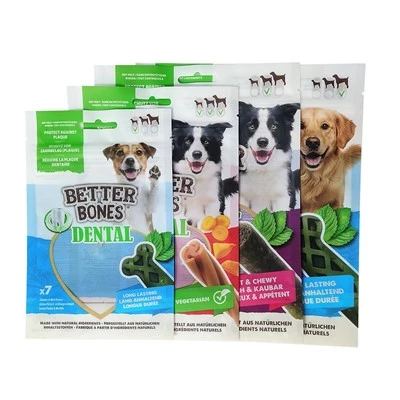
If you’re a brand looking to make the switch to spouted pouches, or you want to improve your current format to boost consumer acceptance, don’t hesitate to reach out. We can walk you through design adjustments, recycling labeling tips, and accessible features that will help your product resonate with every customer who picks it up.
Daily Necessities Packaging Solutions References:
- Smith, L. (2023). Consumer Perception of Flexible Packaging: A Nationwide Survey. Journal of Packaging Technology and Science.
- Patel, R., & Torres, M. (2022). Accessible Packaging: Inclusivity in Spouted Pouch Design. International Journal of Retail and Consumer Studies.
- Global Packaging Report. (2024). Growth Trends in Flexible Packaging for Food and Beverage. World Packaging Organization.
- Carter, K. (2022). Eco-Friendly Packaging and Consumer Purchase Intent. Sustainable Consumption and Production Journal.
Qingdao Senlida Packing Co., Ltd.
Qingdao Senlida Packing Co., Ltd. is one of the most experienced spouted pouches manufacturers and suppliers in China since 1995. With a professional production team, we are able to meet the needs of the majority of our customers. Please feel free to buy high quality packing products at competitive price from our factory.
Address: No.299 Feichao Road, Luwang Town, Huangdao District, Qingdao, Shandong Province, China.
E-mail: liuxh@qdsenlida.com
WebSite: https://www.senlidapacking.com/
