Can Classical Disc Abrasive be used for grinding graphite?
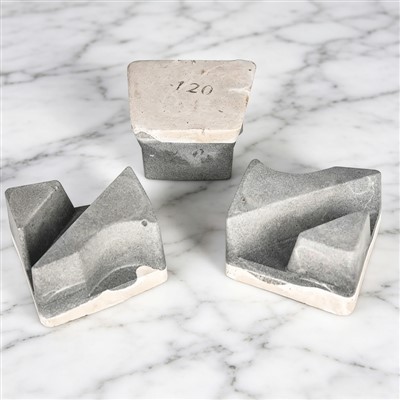
As a supplier of classical disc abrasives, this is a question I often encounter in my business interactions. Graphite, with its unique properties, has become an important material in various industries such as electronics, metallurgy, and aerospace. The demand for efficient and precise graphite grinding methods is constantly growing. In this blog, I will explore whether classical disc abrasives can be used for grinding graphite, taking into account the characteristics of both the abrasive and graphite, as well as the practical applications in the industry. Classical Disc Abrasive
Understanding Classical Disc Abrasives
Classical disc abrasives are composed of a base material and abrasive grains. The base material, usually made of paper, cloth, or fiber, provides support and stability for the abrasive grains. The abrasive grains, which can be made of materials like aluminum oxide, silicon carbide, or diamond, are responsible for the cutting and grinding action. Different combinations of base materials and abrasive grains result in a wide range of classical disc abrasives, each suitable for specific applications.
The advantages of classical disc abrasives are numerous. They are relatively easy to use, can be applied to various grinding machines, and are cost – effective compared to some other grinding tools. They also offer good control over the grinding process, allowing for different levels of material removal and surface finish according to the specific requirements.
Properties of Graphite
Graphite is a form of carbon with a unique crystal structure. It has excellent electrical conductivity, thermal conductivity, and lubricity. It is also relatively soft, with a Mohs hardness of about 1 – 2. This softness means that graphite can be easily scratched or damaged during the grinding process. Another important property of graphite is its tendency to flake or fracture. When subjected to high – stress grinding operations, graphite particles may break off, leading to a loss of material integrity and potentially affecting the quality of the final product.
Compatibility of Classical Disc Abrasives with Graphite Grinding
Abrasive Grain Selection
The choice of abrasive grains is crucial when considering whether classical disc abrasives can be used for graphite grinding. As mentioned earlier, graphite is a relatively soft material. Hard abrasive grains like diamond, which are often used for grinding hard materials such as ceramics and metals, may be too aggressive for graphite. The excessive cutting force of diamond abrasives can cause severe flaking and chipping of the graphite, resulting in an uneven surface finish and poor dimensional accuracy.
On the other hand, aluminum oxide and silicon carbide abrasives are more suitable. Aluminum oxide is a versatile abrasive that can be used for a wide range of materials, including graphite. It has a moderate hardness, which allows for controlled material removal without causing excessive damage to the graphite. Silicon carbide, known for its sharp cutting edges and high heat resistance, is also a good choice. It can provide a smooth surface finish on graphite and is often used for fine – grinding operations.
Bonding System
The bonding system of the classical disc abrasive also plays an important role in graphite grinding. The bond holds the abrasive grains in place and determines the rate at which the grains are released during the grinding process. For graphite grinding, a relatively soft bond is preferred. A soft – bonded abrasive disc allows the worn – out abrasive grains to be released more easily, exposing fresh grains for continuous cutting. This helps to prevent the abrasive from clogging with graphite particles, which can reduce the grinding efficiency and cause overheating.
Grinding Parameters
In addition to the abrasive and bond selection, the grinding parameters such as grinding speed, feed rate, and pressure also need to be carefully controlled when using classical disc abrasives for graphite grinding. A high grinding speed can generate more heat, which may cause the graphite to oxidize or crack. A slow and steady feed rate is recommended to ensure a smooth and even grinding process. Low to moderate pressure should be applied to avoid excessive force on the graphite, which can lead to surface damage.
Practical Applications in the Industry
Electronics Industry
In the electronics industry, graphite is used in the production of electrodes, heat sinks, and other components. Classical disc abrasives can be used to grind graphite electrodes to the required size and shape. The smooth surface finish obtained by using the appropriate classical disc abrasive can improve the electrical conductivity of the electrodes, enhancing their performance in electronic devices.
Metallurgy Industry
Graphite is also widely used in the metallurgy industry as a refractory material and a lubricant. Classical disc abrasives can be employed to grind graphite molds and crucibles, ensuring their dimensional accuracy and surface quality. This is crucial for the production of high – quality metal products, as any imperfections in the graphite molds can affect the shape and surface finish of the cast metal parts.
Aerospace Industry
In the aerospace industry, graphite composites are used in aircraft structures and components due to their high strength – to – weight ratio. Classical disc abrasives can be used for finishing operations on graphite – based parts, such as removing burrs and achieving the desired surface texture. This helps to improve the aerodynamic performance of the aircraft and ensure the reliability of its components.
Advantages of Using Classical Disc Abrasives for Graphite Grinding
Cost – Effectiveness
Classical disc abrasives are generally more affordable than some other specialized graphite – grinding tools. This makes them an attractive option for small and medium – sized enterprises, as well as for applications where cost is a major consideration.
Versatility
With a wide range of abrasive grains and bonding systems available, classical disc abrasives can be customized to meet different graphite – grinding requirements. They can be used for both rough – grinding and fine – finishing operations, providing flexibility in the manufacturing process.
Ease of Use
Classical disc abrasives are easy to install and use on various grinding machines. This reduces the need for specialized training and equipment, making them accessible to a wider range of users.
Limitations and Challenges
Despite their advantages, there are also some limitations and challenges associated with using classical disc abrasives for graphite grinding. As mentioned earlier, graphite has a tendency to flake and clog the abrasive. To overcome this, regular cleaning of the abrasive disc may be required during the grinding process. Additionally, the relatively soft nature of graphite means that the grinding process may be slower compared to grinding harder materials, which can affect the overall productivity.
Conclusion
In conclusion, classical disc abrasives can be used for grinding graphite, provided that the appropriate abrasive grains, bonding systems, and grinding parameters are selected. With their cost – effectiveness, versatility, and ease of use, they offer a viable solution for graphite grinding in various industries. However, it is important to be aware of the limitations and challenges associated with graphite grinding and take appropriate measures to ensure the quality of the grinding results.
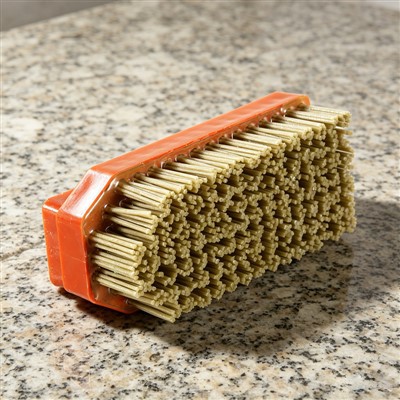
Metal Fickert Abrasive If you are looking for a reliable supplier of classical disc abrasives for your graphite – grinding needs, I would be more than happy to discuss your requirements and provide you with the best – suited products. Contact us to start a procurement discussion and find the ideal abrasive solutions for your business.
References
- "Abrasive Technology Handbook", Industrial Press Inc.
- "Graphite: Properties, Processing, and Applications", William A. Grant
- "Grinding and Finishing", Steven Y. Liang and Andrew S. Makino
Quanzhou Cheefung New Materials Co., Ltd.
As one of the most experienced classical disc abrasive enterprises in China, we are able to meet the needs of the majority of our customers. Please feel free to wholesale advanced classical disc abrasive made in China here from our factory. For price consultation, contact us.
Address: Jinshan Community, Licheng District, Quanzhou City, Fujian, China
E-mail: info@prostonetools.com
WebSite: https://www.prostonetools.com/
