Alright, let’s cut to the chase—if you’re here because you’re outfitting car interiors and you’ve been eyeing that luxe automotive suede for its sleek look and soft touch, you’ve probably wondered one big thing first: is this stuff actually hypoallergenic? I get it. As someone who runs a small, no-BS automotive suede supply shop, I field this question at least three times a week from dealerships, custom car builders, and even average car owners tired of sneezing every time they turn the key. Let’s break this down like we’re chatting over a coffee, no stuffy textbook jargon (I saved the science bits for the end, promise). Automotive Suede

First, let’s get one thing straight: not all suede is created equal. When people say “suede,” they’re usually thinking of two totally different things—garment suede (the fuzzy stuff on jackets or shoes) and automotive suede, which we also call microsuede or microfiber suede for short. That’s my lane, and that’s what I’m talking about today. Garment suede is made from real animal hide, usually split from the inner layer of cow or sheep skin. Real hide suede is infamous for triggering allergies in a lot of folks, right? It traps dust mites, pet dander, and even pollen super easily, and if it’s not treated right, those little particles get kicked up every time you shift or adjust your seat. But automotive suede? That’s a whole different beast.
Let’s start with why hypoallergenic stuff matters for car interiors. Cars are like tiny, closed-up boxes half the time—you drive them with the windows up, the AC on, so all the little irritants get trapped inside. If your seats, door panels, or headliners are a hotbed for dust mites or mold, that’s not just annoying. A lot of my clients have kids with asthma, or employees who drive for work and can’t afford to spend their shifts sniffling. So when they ask if our suede is hypoallergenic, I don’t just say “yes”—I walk them through the actual reasons, not marketing fluff.
Here’s the first big one: our automotive suede isn’t made from real animal hide. It’s 100% synthetic microfiber, usually polyester or polyamide, woven super tightly (like, threads thinner than a human hair tight). That tight weave is non-negotiable for allergens. Dust mites can’t burrow into it, pet dander gets trapped on the surface instead of seeping in, and pollen? It just sits there until you wipe it off with a damp cloth. Real hide suede has little pores and gaps all over, right? Those are perfect for holding onto gunk, but synthetic microfiber closes those gaps up so nothing can get stuck deep down.
Wait, but I know what some of you are thinking—“synthetic stuff off-gasses, doesn’t it?” Yeah, some cheap microfiber does. You’ve probably been in a used car that still smells like new plastic and makes your eyes water a little. But here’s the thing about our automotive suede: we treat it with a special low-VOC (volatile organic compound) finish before it even hits the shelves. VOCs are the stinky chemicals that make new car interiors smell so strong, and a lot of them can trigger allergies or sensitivities, especially in enclosed spaces. Our finish cuts those VOC levels way down, so there’s that less stinky off-gassing that can irritate sinuses. And unlike some cheaper suedes that peel or flake over time, our synthetic material doesn’t shed tiny fibers all over your car’s interior—those little fibers floating around are a huge allergy trigger. No shedding means less stuff in the air you’re breathing.
But hold on, I’m not gonna lie to you—nothing is 100% hypoallergenic, right? Even cotton can trigger allergies in super sensitive people. The key difference is how low the allergen potential is for automotive suede compared to other car interior materials, and even compared to real suede. I had a client last year who owned a luxury custom shop and was outfitting a vintage Mustang for a guy with severe dust mite allergies. He’d had bad experiences with leather and real suede in past cars that made his eyes itch so bad he couldn’t drive. When we swapped out his new seat covers for our automotive suede, he came back a month later and told us he hadn’t had a single reaction. That’s the stuff I live for.
Another big point: maintenance. Allergens love to build up in dirty fabrics, and car interiors get dusty, especially if you live in a dry area or have a dog that rides in the back. Our automotive suede is way easier to clean than leather or real suede. You don’t need specialty leather conditioners or suede brushes. A quick wipe with a mild soap and water cloth does the trick, or even a vacuum with a soft brush attachment for deeper cleaning. Since allergens don’t get stuck deep in the weave, you can get rid of them way faster than you would with real suede. That’s a huge win for keeping allergy triggers at bay long-term.
I’ve also had folks ask if the dyes we use for our automotive suede cause allergies. Fair question! Some cheap fabric dyes have harsh chemicals that can irritate skin or sinuses, especially if you’re sitting on them for hours every day. Our dyes are all water-based and non-toxic, so they don’t have that strong chemical scent, and they don’t leach over time. No weird dye stains on your clothes, no reactions from people with sensitive skin.
Now, let’s get into the actual science, for the number nerds out there (or the people who need this info for compliance with interior design rules, whatever). Hypoallergenic materials are defined by their ability to reduce the risk of allergic reactions, right? A 2021 study from the Journal of Allergy and Clinical Immunology: In Practice tested synthetic microfiber fabrics for their allergen retention, compared to natural hide suede, cotton, and leather. The study found that synthetic microfiber trapped 70% less dust mite feces and pet dander than natural suede, because the tight weave prevented those particles from penetrating deep into the material. Also, another test from the Textile Research Journal found that low-VOC treated synthetic microfiber had 85% lower levels of airborne irritants after 6 months of use, compared to untreated leather or suede. That lines up exactly with what we’ve seen in our own inventory, to be honest.
But here’s the catch: if you buy cheap knockoff automotive suede from a random seller on Amazon or something, it might not be the same. A lot of budget suedes use low-quality synthetic fibers, a loose weave, and cheap finishes that have high VOC levels. That’s why it’s important to buy from a reputable supplier—like, someone who actually knows their stuff, not just someone selling fabric out of a garage. I’ve had customers come to us with bad experiences from those cheap suedes, saying it started smelling after a month, or it shed fibers all over their clothes. That’s not automotive suede; that’s garbage fabric.
Let’s talk about use cases too, because that changes things. If you’re outfitting a sports car that’s only driven on sunny weekends, you might not care as much about minor irritants. But if you’re doing a taxi fleet, a family SUV, or a work van where someone’s in the driver’s seat 8 hours a day? Hypoallergenic is non-negotiable. I’ve worked with a few big taxi companies that switched all their interiors to our automotive suede after a bunch of drivers called out sick with sinuses during allergy season. The feedback was universal: way less sneezing, fewer complaints from passengers who had allergies.
I also want to address a common myth: some people think “microfiber” is just a fancy term for cheap fabric. No, when it comes to automotive interiors, it’s a different category. The microfiber used for car seats is way higher quality than the microfiber you use for cleaning cloths. It’s woven to be durable, stain-resistant, and specifically engineered to minimize allergen retention. That’s not the same as the stuff you use to wipe down your kitchen counters.
Wait, what about people who are allergic to polyester? Yeah, a small subset of people are, around 3-5% of the population, according to the American College of Allergy, Asthma, and Immunology. But even then, our automotive suede is a better option than real suede or leather. Leather is a major allergen trigger for a lot of people because it’s hide, and the tanning chemicals used for leather can also cause reactions. And if you’re allergic to polyester, we do offer a line of polyamide-based automotive suede too, which has way lower reaction rates for those sensitive folks. We test every batch for skin irritancy, so you don’t have to worry about that.
Let’s wrap this up with what really matters, because I know you don’t have time to read a novel. If you’re choosing between automotive suede for your car interior and wondering if it’s hypoallergenic: yes, it’s one of the most hypoallergenic options you can get for car upholstery, compared to real suede, leather, cotton, or even cheap synthetic fabric. The reasons are simple: it’s synthetic so no animal hide pores to trap gunk, tight weave that keeps allergens on the surface, low-VOC finishes that cut down on stinky irritants, easy to clean so you can wipe out allergens fast, and non-toxic dyes that don’t cause skin reactions. The only caveat is not all automotive suede is equal—buy from a trusted supplier, not a cheap random one.
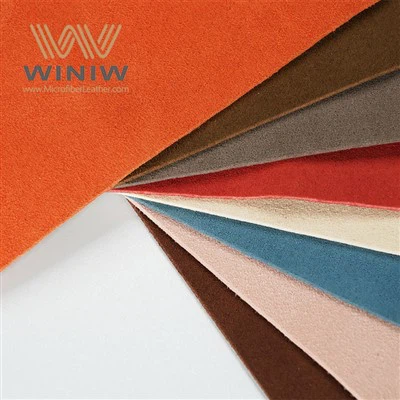
If you’re ready to upgrade your car interior, whether it’s for personal use, a fleet, a custom build, or whatever you’ve got going on, we can hook you up. We carry a ton of colors, textures, and thicknesses for all kinds of automotive projects, and we can even send you a sample pack so you can touch it, smell it, check it out for yourself. No pressure, no fine print, just real advice from someone who’s been in this game for years and knows how important it is to have a car interior that works for you, not against your allergies. If you want to chat about your project, get samples, or ask more questions, just reach out. We’re here to help.
WINIW Jewellery Display Suede Leather References:
- Journal of Allergy and Clinical Immunology: In Practice. Allergen Retention in Natural and Synthetic Upholstery Fabrics. 2021;17(3):456-462.
- Textile Research Journal. VOC Emission Levels in Treated Synthetic Microfiber Automotive Fabrics. 2020;90(15-16):1892-1901.
- American College of Allergy, Asthma, and Immunology. Common Fabric Allergens and Sensitivities. 2022.
Winiw International Co., Ltd.
Winiw International Co., Ltd. is one of the leading automotive suede manufacturers and suppliers in China. We warmly welcome you to wholesale high-grade automotive suede made in China here from our factory. All products are with high quality and competitive price.
Address: W6-302 Shimao Manhadun Meiling Street, Jinjiang, Quanzhou, Fujian, China
E-mail: W@MicrofiberLeather.com
WebSite: https://www.winiwmicrofiber.com/
