As the owner of a small, family-run business specializing in honeycomb wrapping paper, I get so many questions from fellow craft enthusiasts and parents lately: Is this lightweight, textured paper actually a good fit for kids’ crafts? For months, I’ve watched my own 7-year-old niece cover our kitchen table in sticky glue and crumpled paper, testing every roll we have in our stock, and I’ve also talked to a handful of local elementary school art teachers who’ve tried using our product in classroom activities. The short answer I’ve landed on? It depends, but when used intentionally, honeycomb wrapping paper isn’t just suitable for kids’ crafts—it’s often far better than traditional construction paper or glittery wrapping paper that rips easily. Let me break this down, mixing real-life testing, input from educators, and what I’ve learned running my supply business for the past four years. Honeycomb Wrapping Paper
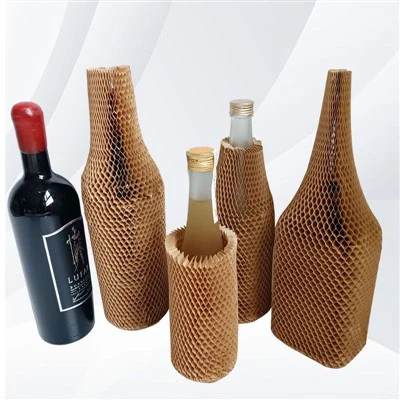
First, let’s get clear on what honeycomb wrapping paper is, because I think a lot of people assume it’s the same as regular wrapping paper just with a fun texture. It’s not. Our product (and most quality honeycomb wrapping paper, for that matter) is made from 100% post-consumer recycled paper fiber. That’s a big deal right now, especially when we’re talking about kids’ crafts—we all know how much craft waste ends up in landfills, and this paper breaks down naturally if it’s not glued permanently to something. The “honeycomb” part comes from its unique core structure: when it’s manufactured, the paper is stretched into tiny, interconnected air pockets that make it lightweight (it’s almost half the weight of standard construction paper) and surprisingly durable. We roll it flat for shipping, but once you cut it and lightly crumple it, it springs back into that puffy, rounded shape.
I first started testing this with my niece, Lila, last winter when she wanted to make “dragon wings” for a school play. I’d brought home a sample roll of the pale gold honeycomb paper I’d been experimenting with for holiday gift wraps, and she immediately grabbed a pair of safety scissors. When she cut strips for her wing edges, I noticed something that’s not true of regular construction paper: it didn’t fray. Construction paper, especially cheaper varieties, shreds at the edges when a kid cuts quickly with blunt scissors (which most elementary kids use, let’s be honest). Honeycomb paper’s fiber structure is woven in a way that the cuts stay clean. That’s a win for little hands still building fine motor skills—less time fixing ragged edges, more time being creative. Lila crumpled big sections of it to make the wings puffy, and when she tripped and dropped the half-finished wings onto the kitchen floor, they didn’t tear. Traditional wrapping paper would have split right there on the seam, but the honeycomb’s air pockets give it give, not just flat strength.
I reached out to my local elementary school’s art teacher, Ms. Henderson, last spring after she posted a photo of her class making paper mache bowls. She told me she’d been looking for a cheaper, more eco-friendly alternative to newspaper for that project, and a friend recommended honeycomb wrapping paper. “My students were 8 and 9 years old, and newspaper has always been such a mess,” she said. “It bleeds ink when it gets wet, it’s thin, and a lot of kids refuse to use it because it’s ‘boring.’ The honeycomb paper? We used the neutral beige rolls I’d bought from a small supplier (that’s me!), and when we coated it with paper mache paste, it held its shape way better than newspaper. And since the paper is thick enough, it didn’t tear when the kids smoothed it over their balloon bowls—something I struggled with every year.” She also noted that when the bowls were dry, the honeycomb structure gave them a nice, bumpy texture that the kids loved decorating with markers and stickers, instead of the smooth, flat surface of newspaper projects.
But here’s where it’s not just a perfect fit: there are some caveats, especially when it comes to very young kids (toddlers and kids under 4, in my opinion). The paper is thin enough to cut easily, but if a kid that age decides to pull at a corner aggressively, they can rip it—though that’s less likely than with construction paper. The bigger issue is that some people think the textured surface is hard to write or draw on, but that’s only if you use the wrong tools. I’ve learned that regular crayons work just fine, especially the washable ones parents use. Markers can smudge a little if you press too hard, but if you let the paper sit for 10 seconds after coloring, it’s completely dry. Lila drew hearts on her dragon wings with crayons and even used a glue stick to attach googly eyes, and the glue didn’t warp the paper. Construction paper often warps when wet glue is applied, but honeycomb paper’s air pockets absorb moisture evenly, so it stays flat. That’s another plus for craft projects where you need to attach multiple pieces—like making paper flowers or collages, which Ms. Henderson’s class did later in the semester.
Another big draw is that honeycomb wrapping paper doesn’t hold glitter, which is a nightmare for craft cleanup (I know this from personal experience). Every parent of a school-aged kid knows the panic of glitter getting stuck in a couch cushion, a lunch box, or even a kid’s hair for weeks. Since honeycomb paper has a slightly rough, puffy surface, glitter doesn’t stick as easily as it does to smooth construction paper or cardstock. I’ve had multiple parents tell me that using honeycomb paper for holiday craft projects (like making paper Christmas trees or Hanukkah menorahs) meant less glitter on their floors, less time vacuuming, and less stress. That’s a huge selling point for busy parents and teachers.
We’ve also seen a lot of homeschooling families reach out to us lately, because they’re looking for craft supplies that are versatile enough to use for multiple projects. Honeycomb wrapping paper is great for learning activities, too. A friend who homeschools her 6-year-old told me she used blue rolls of our paper to make a large map of the United States—she cut out each state, glued them to a poster board, and the puffy texture made it easy for her kid to trace the outlines with their finger while learning geography. The durable paper held up when the kid carried it to show their grandma, no tears or bent edges. That’s not something you can say about most construction paper maps, which fall apart after a week.
Of course, I won’t pretend it’s the best option for every kids’ craft. If you’re making a super detailed paper art project that requires fine, precise cuts (like paper snowflakes with tiny, delicate edges), honeycomb paper might not be the right fit. The air pockets make it a little less rigid than cardstock, so tiny cuts can warp if you’re not careful. For that, I usually recommend a heavier cardstock alongside honeycomb paper for contrast. Also, if you’re planning to use the craft item as a decoration that will hang outside, honeycomb paper’s recycled fiber isn’t weatherproof—so it’ll fade if left in direct sunlight, same as most paper craft supplies. But for indoor crafts, projects that will be used as toys or decorations for a few months, it’s more than enough.
What I’ve loved most as a supplier is getting to see how kids use honeycomb wrapping paper in ways I never expected. Last month, a 10-year-old customer emailed me to say she used our pink honeycomb paper to make a custom backpack for her little sister’s birthday—she cut it to fit the backpack’s surface, used fabric glue to attach it (wait, that’s a twist I hadn’t thought of!), and the puffy texture made the backpack stand out. She told me her sister “loves that it’s not plain like all the other backpacks at school.” That’s the kind of creativity that makes running this business worth it.
So, to circle back: is honeycomb wrapping paper suitable for kids’ crafts? For ages 5 and up, absolutely—especially if you’re a parent or teacher who values eco-friendly materials, easy cleanup, and supplies that hold up to messy hands and busy schedules. For kids under 5, it can work, but it’s best paired with supervision and larger, simpler cuts to avoid frustration. The key is to treat it like any other craft supply: test it for the specific project, use the right tools (blunt safety scissors, washable crayons, glue sticks instead of wet liquid glue for small projects), and embrace its unique texture instead of fighting it.
If you’re a parent, teacher, or craft organizer looking to try honeycomb wrapping paper for your next kid’s craft project, I’d encourage you to start with a sample roll. We offer bulk rolls for school districts and craft supply retailers, as well as smaller, family-sized packs for individual use. When you choose honeycomb wrapping paper, you’re not just picking a craft supply—you’re choosing a product that’s made to be reused, durable enough for messy kid hands, and designed to spark creativity without the stress of glitter or easy-tearing construction paper.
If you’re interested in learning more about our honeycomb wrapping paper for kids’ crafts, or want to discuss bulk orders for classrooms, scout groups, or craft events, feel free to reach out to connect with our team. We’re always happy to answer questions, share project ideas, or send free samples for testing.
Wrapping Paper References
- National Environmental Education Foundation. (2022). Recycled Paper Products in Educational Settings: Benefits for Students and Schools.
- American Art Therapy Association. (2021). Fine Motor Skill Development Through Age-Appropriate Craft Supplies.
- Craft & Hobby Association. (2023). Trends in Kid-Friendly Craft Supplies: Eco-Friendly and Low-Mess Options.
- Journal of Early Childhood Education. (2020). The Impact of Texture in Art Supplies on Creative Expression in Elementary-Age Children.
Dongguan Xianghe Paper Co., Ltd.
Dongguan Xianghe Paper Co., Ltd. is one of the most experienced honeycomb wrapping paper manufacturers and suppliers in China, also supports customized service with low price. We warmly welcome you to wholesale bulk cheap honeycomb wrapping paper from our factory.
Address: No. 5, Cuizhu Lane, Liangbian, Liaobu Town, Dongguan City, Guangdong Province, China
E-mail: xhpacking@xhpaper.cn
WebSite: https://www.xhpacking.com/
